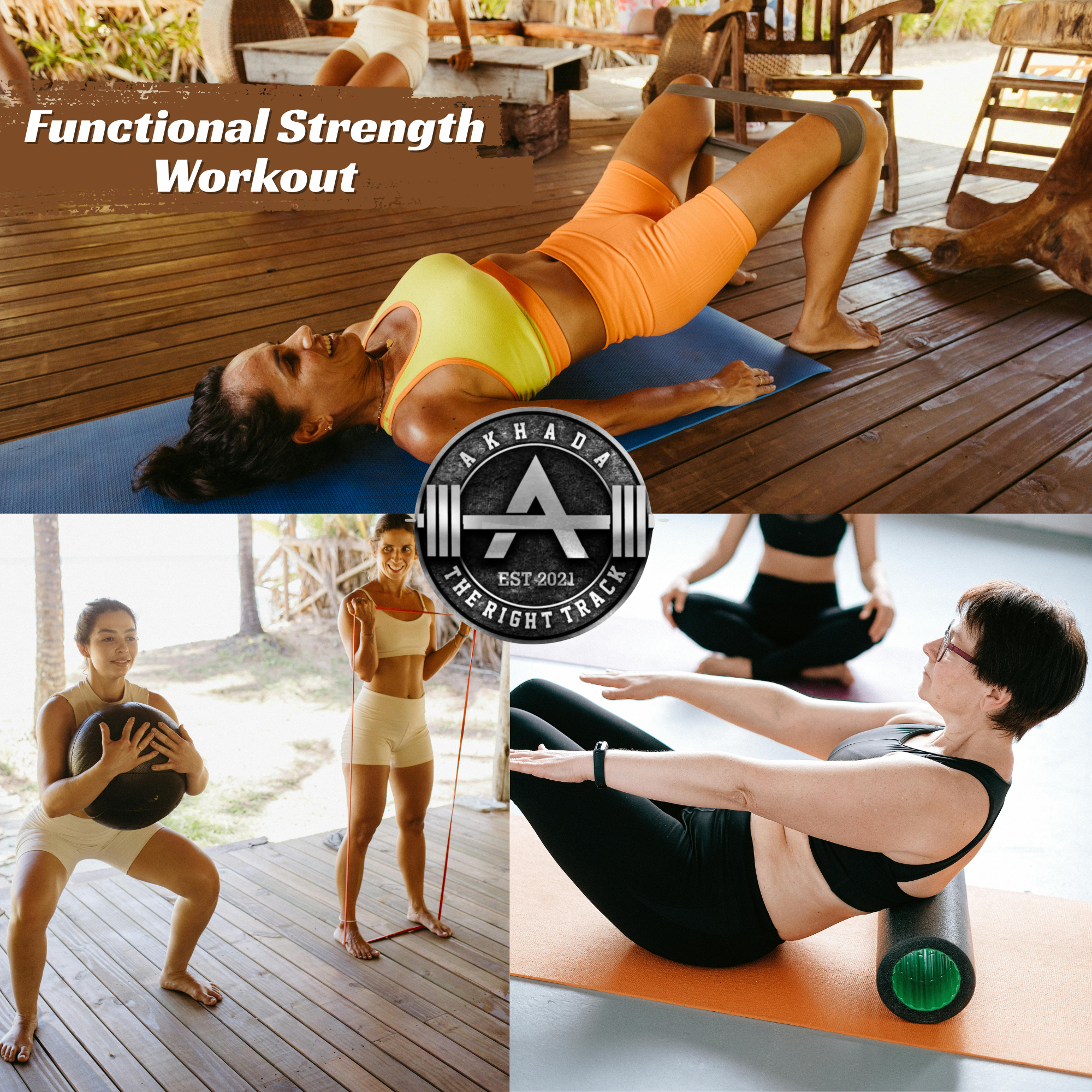
Functional Strength Workout: Train for Real Life, Not Just the Gym 💪🔥
Have you ever noticed that some people can lift heavy weights in the gym but still struggle with everyday activities like carrying heavy grocery bags, climbing stairs, lifting luggage, or playing sports?
That’s because traditional gym training often focuses on individual muscles, while Functional Strength Workouts train your body to move efficiently in real-life situations.
A functional strength workout develops strength, balance, mobility, coordination, stability, endurance, and flexibility together. Instead of simply building bigger muscles, it prepares your body for everyday movement, sports performance, and injury prevention.
Whether your goal is weight loss, muscle gain, improved athletic performance, better posture, or overall health, functional strength training can be one of the most effective approaches to fitness.
If you’re searching for the best Functional Strength Workout in Indore, this comprehensive guide explains everything you need to know.
Table of Contents
- What is Functional Strength Workout?
- Why Functional Strength Matters
- Functional Strength vs Traditional Gym Training
- Science Behind Functional Strength
- Benefits of Functional Strength Workouts
- Functional Movement Patterns
- Best Functional Strength Exercises
- Equipment Used
- Beginner Workout Plan
- Intermediate Program
- Advanced Program
- Functional Strength for Weight Loss
- Functional Strength for Athletes
- Functional Strength for Women
- Functional Strength for Seniors
- Nutrition Guide
- Recovery & Mobility
- Common Mistakes
- Frequently Asked Questions
- Why Choose Akhada Gym?
- Yoast SEO Details
What is a Functional Strength Workout? 🏋️
A Functional Strength Workout is a training method that improves your ability to perform real-life movements safely, efficiently, and with greater strength.
Unlike traditional bodybuilding routines that isolate specific muscles, functional workouts train multiple muscle groups to work together through natural movement patterns.
These workouts help you become stronger for activities such as:
✔ Carrying groceries
✔ Picking up children
✔ Climbing stairs
✔ Moving furniture
✔ Playing sports
✔ Running
✔ Jumping
✔ Lifting heavy objects
✔ Maintaining good posture
Functional strength isn’t just about looking fit—it’s about moving better and living better.
Why Functional Strength Training is Becoming So Popular 🌍
Over the past few years, functional fitness has become a preferred training style for:
🏆 Professional Athletes
👮 Police Personnel
🚒 Firefighters
🪖 Military Personnel
🏃 Marathon Runners
🏸 Badminton Players
⚽ Football Players
🏏 Cricketers
🏀 Basketball Players
💼 Corporate Professionals
Even people who don’t play sports benefit because functional training prepares the body for everyday physical challenges.
The Science Behind Functional Strength 🧠
Your body was designed to move—not to isolate muscles one at a time.
Functional strength training follows movement-based principles that improve:
Strength
Develops the ability to produce force during real-world movements.
Stability
Improves control around your joints and reduces unnecessary movement.
Mobility
Enhances your ability to move through a full, pain-free range of motion.
Coordination
Teaches different muscle groups to work together efficiently.
Balance
Improves body control during standing, walking, lifting, and changing direction.
Power
Builds the ability to generate force quickly for sports and daily activities.
Functional Strength vs Traditional Strength Training
| Functional Strength Workout | Traditional Strength Training |
|---|---|
| Trains movement patterns | Often isolates individual muscles |
| Improves balance | Limited balance training |
| Enhances coordination | Focuses mainly on strength |
| Builds real-world fitness | Primarily improves gym performance |
| Uses multiple joints | Frequently single-joint exercises |
| Improves mobility | Mobility may receive less emphasis |
Both training styles have value. Functional strength training complements traditional strength work by improving how your body performs in everyday life and sports.
The 7 Pillars of Functional Strength
1. Strength 💪
Strength allows you to lift, push, pull, carry, and move objects safely.
Examples include:
🏋️ Squats
🏋️ Deadlifts
🏋️ Lunges
🏋️ Push-Ups
🏋️ Rows
2. Mobility 🤸
Mobility helps your joints move efficiently through their full range of motion.
Good mobility contributes to:
✔ Better squat depth
✔ Improved overhead movements
✔ Reduced stiffness
✔ More efficient movement
3. Stability ⚖️
Stability enables you to control movement while maintaining proper alignment.
Strong stabilizing muscles help support the spine, shoulders, hips, knees, and ankles during exercise and daily activities.
4. Balance
Balance training is valuable for people of all ages.
It can help improve:
- Coordination
- Movement control
- Confidence during daily activities
5. Coordination
Functional exercises require different muscle groups to work together, improving movement efficiency.
Examples include:
🏃 Sprinting
🏸 Playing sports
🪜 Climbing stairs
🏋️ Carrying uneven loads
6. Endurance ❤️
Functional conditioning helps you stay active for longer periods without excessive fatigue.
Activities such as circuit training, rowing, cycling, and brisk walking improve cardiovascular endurance alongside muscular endurance.
7. Power ⚡
Power combines strength with speed.
It is essential for:
🏀 Basketball
⚽ Football
🏸 Badminton
🏏 Cricket
🏃 Sprinting
Power-focused exercises should be introduced progressively with proper coaching.
Why Functional Strength is Better Than Random Gym Workouts
Many people perform random exercises without a clear goal.
This often leads to:
❌ Poor movement quality
❌ Inconsistent progress
❌ Reduced motivation
❌ Muscle imbalances
❌ Increased injury risk
A functional strength program follows a structured progression where each workout builds on the previous one, helping you improve safely and consistently.
Who Should Do Functional Strength Workouts?
Beginners 🌱
Learn proper movement patterns and build a solid fitness foundation.
Working Professionals 💼
Counteract the effects of prolonged sitting by improving posture, mobility, and overall strength.
Athletes 🏆
Enhance speed, power, agility, and sport-specific performance.
Weight Loss Seekers 🔥
Functional training combines strength and conditioning, making it a highly effective way to support fat loss alongside healthy nutrition.
Older Adults 👴
Age-appropriate functional exercises can help maintain balance, strength, and independence.
Women 👩
Functional strength training supports overall fitness, posture, bone health, and confidence while helping with everyday activities.
Everyday Benefits of Functional Strength
Functional strength training isn’t only for the gym.
It can make daily life easier by helping you:
✔ Lift heavy bags with better technique
✔ Climb stairs with less effort
✔ Improve posture while working
✔ Carry children comfortably
✔ Reduce the risk of common movement-related injuries
✔ Stay active as you age
Real fitness is measured by how well your body performs both inside and outside the gym.
Best Functional Strength Exercises to Build Real-World Strength 💪
The foundation of every effective Functional Strength Workout is performing movements that mimic real-life activities. Unlike isolation exercises, functional movements activate multiple muscle groups at the same time, improving coordination, stability, balance, and overall strength.
Whether your goal is weight loss, muscle gain, athletic performance, or better mobility, these exercises should form the core of your training program.
1. Squats 🏋️
Squats are often called the king of functional exercises because they strengthen the muscles you use every day.
Muscles Worked
- Quadriceps
- Hamstrings
- Glutes
- Core
Benefits
✅ Builds lower body strength
✅ Improves posture
✅ Enhances mobility
✅ Makes everyday activities easier
2. Deadlifts
Deadlifts develop total-body strength by teaching proper lifting mechanics.
Muscles Worked
- Lower Back
- Glutes
- Hamstrings
- Core
- Forearms
Benefits
✔ Improves lifting strength
✔ Builds grip strength
✔ Enhances athletic performance
3. Walking Lunges
Lunges improve single-leg strength while increasing balance and coordination.
Benefits
🔥 Strengthens legs
🔥 Improves stability
🔥 Builds functional mobility
4. Push-Ups
Push-ups are one of the most effective bodyweight exercises.
Muscles Worked
- Chest
- Shoulders
- Triceps
- Core
Benefits
✔ Functional upper body strength
✔ Core stability
✔ Better pushing power
5. Pull-Ups
Pull-ups improve pulling strength required in many daily activities.
Benefits
💪 Stronger back
💪 Better posture
💪 Increased grip strength
6. Farmer’s Carry 🚶
One of the most underrated functional exercises.
Simply walk while carrying heavy dumbbells or kettlebells.
Benefits
✅ Grip strength
✅ Core stability
✅ Shoulder endurance
✅ Real-life carrying ability
7. Kettlebell Swings
A powerful exercise that combines strength and conditioning.
Benefits
🔥 Explosive hip power
🔥 Cardiovascular fitness
🔥 Posterior chain strength
8. Step-Ups
Step-ups closely mimic climbing stairs.
Benefits include:
✔ Better balance
✔ Leg strength
✔ Knee stability
9. Box Jumps
Box jumps improve explosive power.
Ideal for:
🏀 Basketball
⚽ Football
🏸 Badminton
🏃 Sprinting
10. Sled Push
One of the best full-body functional exercises.
Benefits:
🔥 Full-body strength
🔥 Conditioning
🔥 Leg power
🔥 Athletic performance
11. Battle Rope Waves
Battle ropes provide an excellent conditioning workout while strengthening the upper body and core.
Benefits:
💪 Improved endurance
💪 Shoulder strength
💪 Higher workout intensity
12. Medicine Ball Slams
Medicine ball slams develop explosive power and coordination.
Benefits:
✔ Core strength
✔ Full-body power
✔ Athletic conditioning
13. TRX Rows
Suspension training challenges stability while strengthening the upper body.
Benefits:
✔ Better posture
✔ Improved shoulder stability
✔ Core activation
14. Bulgarian Split Squats
Excellent for building single-leg strength and improving balance.
Benefits:
🔥 Stronger legs
🔥 Better mobility
🔥 Reduced muscle imbalances
15. Bear Crawls
Bear crawls improve total-body coordination and endurance.
Benefits:
✔ Shoulder stability
✔ Core control
✔ Functional movement
Best Functional Core Exercises
Your core transfers force between the upper and lower body. A strong core is essential for lifting, running, and maintaining posture.
Plank
Improves trunk stability and endurance.
Side Plank
Strengthens the obliques and lateral core muscles.
Dead Bug
Enhances coordination while teaching core control.
Bird Dog
Improves spinal stability and balance.
Pallof Press
Develops anti-rotation strength, which is important for sports and daily activities.
Functional Upper Body Workout 💪
Perform 3–4 sets of each exercise.
- Push-Ups × 12
- Pull-Ups × 8–10
- Dumbbell Shoulder Press × 12
- TRX Rows × 12
- Farmer’s Carry × 30–40 metres
This workout develops pushing strength, pulling strength, shoulder stability, and grip strength.
Functional Lower Body Workout 🦵
Complete 3 rounds.
- Squats × 12
- Walking Lunges × 12 each leg
- Romanian Deadlift × 10
- Step-Ups × 12
- Box Jumps × 8
Focus on proper form before increasing weight or speed.
Functional Full-Body Circuit 🔥
Perform each exercise for 40 seconds, followed by 20 seconds of rest.
- Kettlebell Swings
- Push-Ups
- Squats
- Battle Rope Waves
- Medicine Ball Slams
- Mountain Climbers
Rest for 2 minutes, then repeat the circuit 3–4 times, depending on your fitness level.
Equipment Used in Functional Strength Training
One of the biggest advantages of functional training is its versatility. You don’t need dozens of machines—just a few versatile tools can create effective workouts.
Kettlebells
Perfect for swings, carries, presses, squats, and Turkish get-ups.
Dumbbells
Useful for unilateral training, improving balance, coordination, and muscular control.
TRX Suspension Trainer
Excellent for bodyweight strength, stability, and core training.
Medicine Balls
Ideal for rotational exercises, throws, and explosive movements.
Battle Ropes
A great tool for conditioning, endurance, and upper-body power.
Sandbags
Help improve grip strength and simulate lifting awkward, real-world objects.
Sleds
Excellent for building lower-body strength, power, and cardiovascular fitness.
Functional Mobility Drills 🤸
Mobility is an essential part of every functional workout.
Include these drills before training:
✅ World’s Greatest Stretch
✅ Hip Openers
✅ Cat-Cow Stretch
✅ Thoracic Rotations
✅ Arm Circles
✅ Walking Lunges with Rotation
These movements prepare your body for exercise and help improve movement quality.
Training Tips for Better Results
✔ Warm up for 5–10 minutes before every workout.
✔ Prioritize proper technique over heavy weights.
✔ Increase intensity gradually.
✔ Include both strength and conditioning sessions each week.
✔ Stay consistent—results come from regular practice, not occasional hard workouts.
Functional strength is about training your body to move efficiently, feel stronger, and perform better in everyday life as well as in sports.
Beginner Functional Strength Workout Plan 🌱
If you’re new to functional training, your first goal should be learning proper movement patterns before increasing weight or intensity.
Day 1 – Full Body Strength
- Bodyweight Squats – 3 × 12
- Incline Push-Ups – 3 × 10
- Dumbbell Rows – 3 × 12
- Glute Bridges – 3 × 15
- Plank – 3 × 30 seconds
Day 2 – Active Recovery
- 20–30 minutes brisk walking
- Hip mobility drills
- Shoulder mobility exercises
- Gentle stretching
Day 3 – Functional Conditioning
- Kettlebell Swings – 3 × 15
- Walking Lunges – 3 × 10 each leg
- Farmer’s Carry – 3 × 30 metres
- Battle Rope Waves – 30 seconds × 5
- Dead Bug – 3 × 12
Rest for one day before repeating the cycle.
Intermediate Functional Strength Program 💪
Train 5 days per week.
Monday
Upper Body Functional Strength
Tuesday
Lower Body Strength
Wednesday
HIIT & Functional Conditioning
Thursday
Mobility + Core Stability
Friday
Full Body Functional Circuit
Saturday
Cardio + Recovery
Sunday
Complete Rest
Advanced Functional Strength Program 🏆
Experienced trainees can include:
- Barbell Front Squats
- Deadlifts
- Weighted Pull-Ups
- Kettlebell Cleans
- Turkish Get-Ups
- Sled Pushes
- Medicine Ball Throws
- Box Jumps
- Sprint Intervals
- Agility Ladder Drills
Advanced programs should be periodized with planned recovery weeks to maximize performance and reduce the risk of overtraining.
Functional Strength Workout for Weight Loss 🔥
Functional training combines strength and cardiovascular conditioning, making it an excellent option for people aiming to improve body composition.
A balanced session might include:
- Squats
- Push-Ups
- Kettlebell Swings
- Battle Ropes
- Walking Lunges
- Mountain Climbers
Pair this with a balanced diet and regular physical activity for sustainable results.
Functional Strength for Muscle Gain 💪
To support muscle growth:
- Focus on progressive overload.
- Prioritize compound movements.
- Include adequate recovery.
- Consume enough protein and total calories for your goals.
Exercises such as squats, deadlifts, presses, rows, and lunges should form the foundation of your routine.
Functional Strength for Athletes 🏅
Athletes benefit from improved:
⚡ Explosive Power
🏃 Speed
🤸 Agility
💪 Stability
❤️ Endurance
Sport-specific drills can be added depending on whether you play cricket, football, badminton, basketball, athletics, or other sports.
Nutrition for Functional Strength Training 🥗
Training quality depends heavily on proper nutrition.
Protein
Protein helps repair and maintain muscle tissue.
Good vegetarian sources include:
- Paneer
- Tofu
- Soy Chunks
- Lentils
- Chickpeas
- Kidney Beans
- Milk
- Curd
- Greek Yogurt
If your diet includes eggs, they are also an excellent source of high-quality protein.
Carbohydrates
Carbohydrates provide energy for workouts.
Choose nutrient-rich options such as:
- Oats
- Brown Rice
- Whole Wheat
- Sweet Potatoes
- Fruits
- Millets
Healthy Fats
Healthy fats support hormone production and overall health.
Include:
- Almonds
- Walnuts
- Peanuts
- Flaxseeds
- Chia Seeds
- Olive Oil
Hydration 💧
Drink water throughout the day and increase fluid intake around workouts, especially in hot weather or during longer training sessions.
Recovery: The Secret to Better Performance 😴
Your body adapts to training during recovery, not during the workout itself.
Support recovery by:
✅ Sleeping 7–9 hours each night
✅ Taking planned rest days
✅ Stretching after workouts
✅ Including mobility sessions
✅ Eating balanced meals
Ignoring recovery can slow progress and increase injury risk.
Common Functional Training Mistakes ❌
Avoid these common errors:
❌ Skipping warm-ups
❌ Using poor technique
❌ Increasing weight too quickly
❌ Neglecting mobility work
❌ Doing only high-intensity sessions
❌ Following random workouts without progression
Focus on quality movement first, then gradually increase difficulty.
Functional Strength Myths vs Facts
Myth: Functional training is only for athletes.
Fact: Functional training benefits beginners, office workers, older adults, and athletes alike because it improves everyday movement and overall fitness.
Myth: You don’t need weights.
Fact: Functional training can be performed with bodyweight, but kettlebells, dumbbells, barbells, and other tools can add valuable resistance.
Myth: Functional training replaces strength training.
Fact: Functional training and traditional strength training complement each other. Combining both often produces the best overall results.
Myth: More exercise always means better results.
Fact: Recovery is essential. Progress comes from balancing training with adequate rest and nutrition.
Why Choose Akhada Gym for Functional Strength Training in Indore? 🏆
At Akhada Gym, we believe fitness should prepare you for life—not just for lifting weights.
Our functional strength programs are designed to improve movement quality, build strength, and support long-term health.
What We Offer
✅ Personalized Fitness Assessment
✅ Customized Functional Workout Plans
✅ Strength & Conditioning Training
✅ HIIT Sessions
✅ Mobility & Flexibility Training
✅ Weight Loss Programs
✅ Muscle Gain Programs
✅ Certified Fitness Coaches
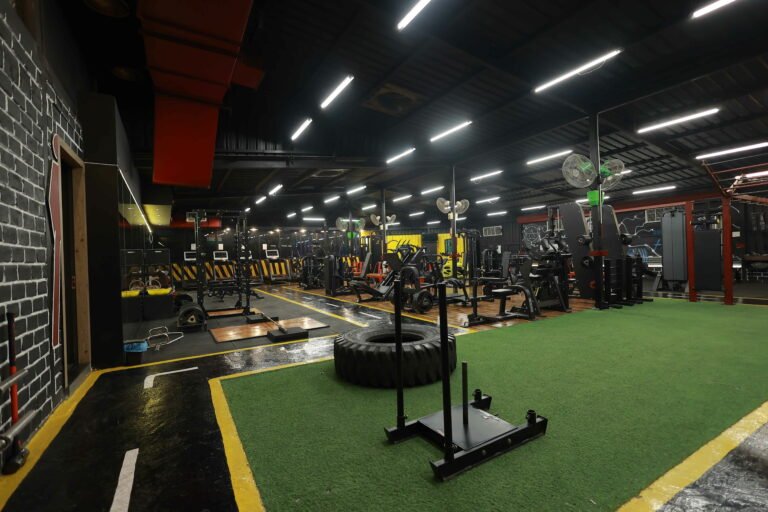
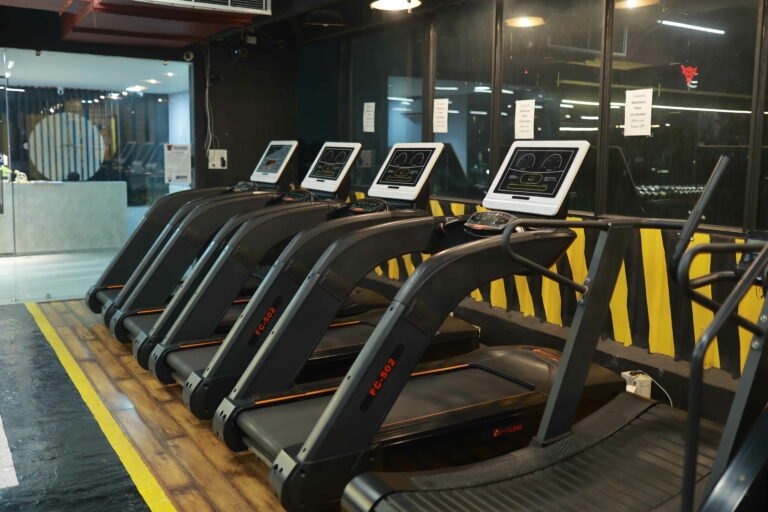
✅ Modern Equipment
✅ Hygienic & Motivating Environment
Whether you’re a beginner, a working professional, or an athlete, our trainers create programs tailored to your goals and fitness level.
Frequently Asked Questions (FAQs)
1. What is a Functional Strength Workout?
A Functional Strength Workout focuses on improving real-life movement patterns by training multiple muscle groups together. It helps build strength, balance, mobility, coordination, and endurance rather than targeting a single muscle in isolation.
2. Is Functional Strength Training suitable for beginners?
Yes. Beginners can start with bodyweight exercises and gradually progress to resistance training under proper guidance.
3. How many days a week should I do Functional Strength Training?
Most people benefit from 3–5 sessions per week, depending on their goals, fitness level, and recovery.
4. Can Functional Strength Training help with weight loss?
Yes. It combines resistance training with cardiovascular conditioning, increasing overall calorie expenditure while helping preserve lean muscle as part of a healthy lifestyle.
5. Is Functional Strength better than traditional gym workouts?
They serve different purposes. Functional training improves movement quality, coordination, and real-world performance, while traditional strength training focuses more on developing muscular strength and size. Combining both often provides the best overall results.
6. Can women do Functional Strength Workouts?
Absolutely. Functional training is suitable for women of all fitness levels and can improve strength, posture, balance, and overall fitness.
7. Is Functional Strength Training good for older adults?
Yes, when appropriately modified. It can support balance, mobility, strength, and independence as people age.
8. What equipment is commonly used?
- Dumbbells
- Kettlebells
- Resistance Bands
- Medicine Balls
- Battle Ropes
- TRX Suspension Trainers
- Barbells
- Sandbags
- Sleds
9. Can I build muscle with Functional Strength Training?
Yes. Progressive resistance, proper nutrition, and consistent training can support muscle growth while also improving movement quality.
10. Does Functional Training improve sports performance?
Yes. It can improve speed, agility, power, coordination, endurance, and overall athletic performance when tailored to the sport.
Why Akhada Gym is the Right Choice 💪
At Akhada Gym, we don’t believe in one-size-fits-all workout plans.
Our certified trainers design customized functional strength programs based on your:
- Fitness Level
- Body Composition
- Goals
- Lifestyle
- Experience
- Recovery Capacity
Whether your objective is weight loss, muscle gain, athletic performance, or overall fitness, we provide structured guidance to help you progress safely and consistently.
Why Choose Akhada Gym?
🏋️ Certified Trainers
💪 Customized Workout Plans
🔥 Functional Strength Training
❤️ Cardio & HIIT Programs
🏆 Strength & Conditioning Coaching
🥗 Basic Nutrition Guidance
📈 Progress Tracking
🧼 Clean & Hygienic Environment
😊 Friendly & Motivating Community
Final Conclusion
Functional Strength Training is one of the most effective ways to build a body that performs well both inside and outside the gym.
Instead of training muscles in isolation, it develops the movement patterns you use every day—helping you lift, carry, push, pull, run, jump, and stay active with greater confidence.
Whether you’re just beginning your fitness journey or looking to improve athletic performance, functional training offers a balanced approach that combines strength, mobility, endurance, and stability.
Consistency, progressive training, good nutrition, and proper recovery are the foundations of long-term success. With the right coaching and a structured plan, you can improve not only your physical fitness but also your overall quality of life.
If you’re searching for expert Functional Strength Workouts in Indore, visit Akhada Gym and experience personalized coaching designed to help you move better, get stronger, and achieve lasting results.