How to Maintain Weight After Losing It: 10 Practical Tips for Long-Term Results
Losing weight is a major fitness achievement, but maintaining that weight over the long term can sometimes be even more challenging. Many people successfully lose weight through dieting and exercise, only to regain it after returning to their old lifestyle habits.
The reason is simple: weight loss is not just about reaching a particular number on the weighing scale. It is about developing sustainable habits that support a healthy body and lifestyle.
Whether you have recently achieved your weight-loss goal or are working towards maintaining your fitness transformation, the right combination of nutrition, exercise, sleep and consistency can help you maintain your results.
At Akhada – The Right Track Gym in Indore, we believe fitness is not a temporary activity. It is a lifestyle that should continue beyond your weight-loss journey.
Why Is Maintaining Weight After Losing It Difficult?
After losing weight, your body may require fewer calories than it did before. Changes in appetite, energy expenditure and daily habits can make maintaining your new weight challenging.
Some common reasons for weight regain include:
- Returning to previous eating habits.
- Stopping regular exercise after reaching the target weight.
- Consuming more calories than your body needs.
- Following extremely restrictive diets that are difficult to maintain.
- Not getting enough sleep.
- Experiencing stress and emotional eating.
- Depending entirely on temporary diet plans instead of lifestyle changes.
The solution is not another crash diet. It is creating a routine that you can follow consistently.
10 Effective Tips to Maintain Weight After Losing It
1. Continue Eating a Balanced Diet
One of the biggest mistakes people make after losing weight is returning to their previous eating patterns.
Instead of following a restrictive diet, focus on balanced meals containing:
- Protein: Dal, paneer, eggs, curd, tofu and beans.
- Complex carbohydrates: Oats, whole grains, brown rice and millets.
- Healthy fats: Nuts, seeds and appropriate amounts of cooking oils.
- Fibre: Vegetables, fruits and legumes.
A balanced diet helps you meet your nutritional requirements while supporting long-term weight management.
2. Do Not Stop Exercising
Reaching your target weight does not mean you should stop going to the gym.
Regular exercise helps maintain muscle mass, supports cardiovascular health and contributes to energy balance.
A balanced weekly fitness routine can include:
- Strength training: 3–4 days per week.
- Cardio: 2–3 days per week.
- Mobility and flexibility: Regularly.
- Daily movement: Walking and other physical activities.
Choose activities you enjoy so that exercise becomes a sustainable part of your lifestyle.
3. Prioritise Strength Training
Strength training is particularly important after weight loss because it helps preserve and develop muscle mass.
Muscle plays an important role in physical strength, movement and overall metabolic health.
Include exercises such as:
- Squats
- Deadlifts
- Bench presses
- Lat pulldowns
- Rows
- Lunges
- Shoulder presses
Start according to your fitness level and gradually increase training intensity.
4. Maintain Your Protein Intake
Protein supports muscle repair, recovery and maintenance. It also helps you feel satisfied after meals.
Include protein-rich foods in your daily diet, such as:
- Paneer
- Milk and curd
- Eggs
- Soybeans and tofu
- Lentils and chickpeas
- Beans and other legumes
Your individual protein requirement depends on your body weight, activity level and fitness goals.
5. Monitor Your Weight Without Becoming Obsessed
Monitoring your weight can help you identify gradual changes before they become significant.
Consider weighing yourself under similar conditions, such as in the morning after using the washroom.
Focus on weekly trends rather than reacting to daily fluctuations. Body weight naturally changes due to hydration, food intake, digestion and other factors.
You can also monitor:
- Waist measurements
- Strength improvements
- Energy levels
- Fitness performance
- How your clothes fit
Remember, the weighing scale is only one measure of progress.
6. Stay Physically Active Throughout the Day
Going to the gym for one hour is beneficial, but your activity throughout the remaining day also matters.
Try incorporating more movement into your daily routine:
- Walk instead of taking short vehicle trips.
- Use stairs whenever practical.
- Take short walking breaks during work.
- Avoid sitting continuously for long periods.
- Participate in outdoor activities.
These small habits can contribute significantly to your overall daily activity.
7. Get Enough Sleep
Sleep plays an important role in appetite regulation, recovery and overall health.
Poor sleep may affect hunger and fullness signals, making it harder to manage food choices.
For most adults, approximately 7–9 hours of quality sleep per night is a useful target.
Maintain a consistent sleep schedule and avoid excessive screen exposure close to bedtime.
8. Avoid Crash Dieting
Crash diets may produce quick results, but they are often difficult to maintain.
Extremely restrictive eating patterns can lead to nutritional deficiencies, fatigue and loss of muscle mass.
Instead:
- Eat regular, balanced meals.
- Avoid unnecessarily eliminating entire food groups.
- Include foods you enjoy in reasonable portions.
- Make gradual, sustainable dietary changes.
The best diet is one that supports your health and that you can follow over the long term.
9. Manage Stress and Emotional Eating
Stress can influence appetite, food choices and eating behaviour.
Some people respond to stress by eating more, while others may skip meals and later overeat.
Develop healthy stress-management habits, such as:
- Walking outdoors.
- Practising yoga or meditation.
- Maintaining a regular workout schedule.
- Spending time with family and friends.
- Getting adequate rest.
If emotional eating becomes difficult to manage, professional support from a qualified healthcare provider or dietitian may help.
10. Follow a Sustainable Routine
Consistency is more important than perfection.
You do not need to avoid every favourite food, exercise every day or follow a strict diet throughout the year.
Instead, create a routine that allows flexibility while maintaining healthy habits.
For example:
- Exercise regularly.
- Eat balanced meals most of the time.
- Stay hydrated.
- Maintain a consistent sleep schedule.
- Track your progress periodically.
- Return to your routine after occasional setbacks.
Long-term results come from habits repeated over time.
Weight Loss vs Weight Maintenance: What’s the Difference?
Weight loss and weight maintenance have different objectives.
| Weight Loss | Weight Maintenance |
|---|---|
| Focuses on reducing body weight | Focuses on maintaining a healthy weight range |
| Usually requires a calorie deficit | Requires balancing calorie intake and expenditure |
| May involve reducing calorie intake | Focuses on sustainable eating habits |
| Aims to reduce excess body fat | Aims to preserve results and muscle mass |
| Requires dietary and exercise changes | Requires continuing those healthy habits |
Once you reach your target weight, your calorie needs may change. Gradually adjusting your food intake with guidance from a qualified dietitian can help you find an appropriate maintenance level.
What Should You Eat to Maintain Weight?
You do not need expensive foods or complicated meal plans to maintain your weight.
Here is an example of a balanced Indian meal routine:
Breakfast
- Vegetable poha or oats
- Eggs, paneer or curd
- One seasonal fruit
Mid-Morning
- Fruit or a handful of nuts
Lunch
- Roti or rice
- Dal or beans
- Seasonal vegetables
- Curd or salad
Evening Snack
- Roasted chana
- Sprouts or fruit
- Tea without excessive sugar
Dinner
- Roti or rice in appropriate portions
- Paneer, tofu, dal or another protein source
- Cooked vegetables or salad
Adjust portion sizes according to your activity level, nutritional needs and maintenance calorie requirements. This is a general example, not an individualised diet plan.
How Much Exercise Is Needed to Maintain Weight?
For general health, adults should aim for at least 150 minutes of moderate-intensity aerobic activity per week, along with muscle-strengthening activities on at least two days.
A practical gym routine could look like this:
- Monday: Upper-body strength training
- Tuesday: Lower-body strength training
- Wednesday: Cardio and mobility
- Thursday: Upper-body strength training
- Friday: Lower-body strength training
- Saturday: Cardio or functional training
- Sunday: Rest or light walking
Your ideal routine depends on your fitness level, recovery and personal goals. You do not need to follow this exact schedule to maintain your weight.
Common Mistakes to Avoid After Reaching Your Target Weight
Avoid these mistakes if you want to maintain your fitness results:
- Stopping gym training completely.
- Returning to excessive calorie consumption.
- Ignoring protein intake.
- Depending on supplements instead of balanced nutrition.
- Following unrealistic fitness routines.
- Ignoring sleep and recovery.
- Becoming discouraged by normal weight fluctuations.
Remember that occasional weight fluctuations are normal. Focus on long-term trends and consistent habits.
Maintain Your Fitness Journey at Akhada – The Right Track Gym, Indore
Losing weight is an achievement. Maintaining your results is a commitment to your health and lifestyle.
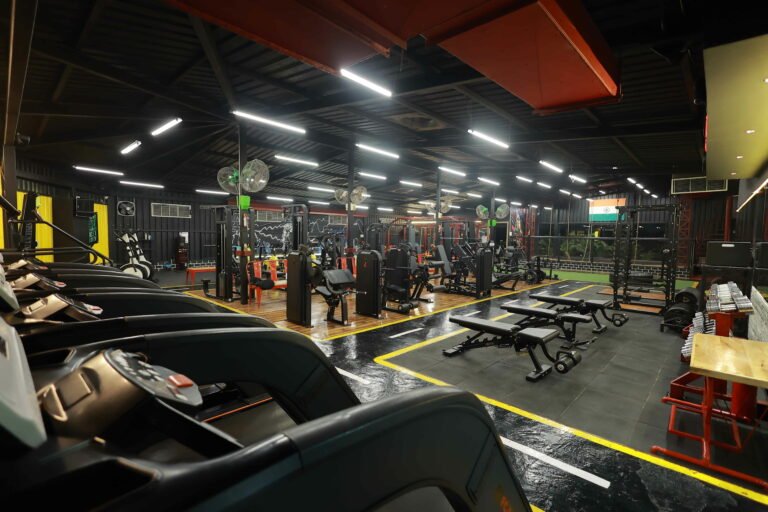
At Akhada – The Right Track Gym, we provide a motivating training environment for individuals working towards fat loss, muscle gain, strength development and overall fitness.
Our training options include:
- Strength and weight training
- Cardio workouts
- Functional training
- HIIT workouts
- Personal training
- Kickboxing
- Yoga and mobility
Whether you are beginning your fitness journey or maintaining the results of your transformation, the right training routine can help you stay active, strong and consistent.
Looking for the Best Gym in Indore or a Gym Near LIG, Press Complex and AB Road?
Visit us today!
Akhada – The Right Track Gym
📍 3rd Floor, Press Complex, LIG Circle, AB Road, Near Dainik Bhaskar, Indore, Madhya Pradesh – 452011
📞 Contact: +91 9111100683
Train with Purpose. Progress with Discipline. Stay Fit for Life!