Why Am I Not Losing Weight Despite Exercising?
Are you exercising regularly, spending time at the gym and trying to stay active, but the weighing scale is not moving? You are not alone!
Many people experience this situation. They follow workout routines, perform cardio and even lift weights, yet struggle to lose weight.
The important thing to understand is that exercise is only one part of weight loss. Your nutrition, calorie intake, sleep, recovery, daily activity and consistency also play important roles.
Let’s explore the common reasons why you may not be losing weight despite exercising and what you can do to achieve better results.
1. You Are Eating More Calories Than You Burn
One of the most common reasons for not losing weight is consuming more calories than your body uses.
You might burn calories during a workout, but your overall food intake may still exceed your daily energy requirements.
For example:
- You burn approximately 300 calories during a workout.
- You consume an additional 400 calories through snacks or beverages.
- Your overall calorie deficit may disappear.
How to improve:
- Monitor your daily food intake.
- Pay attention to portion sizes.
- Limit frequent high-calorie snacks.
- Choose balanced meals.
- Maintain a sustainable calorie deficit.
Remember, you do not need to starve yourself to lose weight.
2. You Are Overestimating Calories Burned During Exercise
Fitness machines, smartwatches and workout apps provide estimated calorie expenditure. However, these numbers are not always accurate.
A 30-minute workout does not automatically mean you have burned a large number of calories.
How to improve:
- Treat calorie-burn readings as estimates.
- Focus on consistent exercise rather than chasing calorie numbers.
- Combine strength training with cardiovascular activity.
- Track long-term weight trends instead of individual workout results.
3. You Are Not Eating Enough Protein
Protein is important for muscle recovery and maintaining muscle mass during weight loss.
If your diet contains insufficient protein, you may find it harder to maintain muscle while reducing body fat.
How to improve:
Include protein-rich foods such as:
- Paneer and tofu
- Milk and curd
- Soybeans
- Dal and legumes
- Eggs
- Chicken and fish, if included in your diet
Adequate protein intake, combined with resistance training, supports better body composition.
4. You Are Doing Only Cardio and Ignoring Strength Training
Cardio exercises are useful for improving cardiovascular fitness and increasing energy expenditure. However, strength training is equally important.
Resistance training helps preserve and develop muscle, particularly when combined with appropriate nutrition.
How to improve:
- Include strength training 3–4 days per week, depending on your fitness level.
- Train major muscle groups.
- Gradually increase resistance.
- Combine strength workouts with suitable cardio sessions.
A balanced programme is generally more sustainable than relying entirely on cardio.
5. You Are Not Moving Enough Outside the Gym
Spending one hour at the gym does not automatically make the rest of your day active.
If you sit for long periods, your total daily activity may remain low.
This is where NEAT (Non-Exercise Activity Thermogenesis) becomes important. It refers to the energy your body uses through everyday activities outside structured exercise.
How to improve:
- Walk regularly throughout the day.
- Take stairs when practical.
- Avoid sitting continuously for long periods.
- Include short walking breaks.
- Gradually increase your daily step count.
Small daily movements can contribute meaningfully to your overall activity.
6. You Are Not Sleeping Enough
Sleep plays an important role in appetite regulation, recovery and overall health.
Poor sleep can affect hunger signals, food choices, energy levels and workout performance.
How to improve:
- Aim for 7–9 hours of sleep.
- Maintain a consistent bedtime.
- Reduce screen exposure before sleeping.
- Avoid excessive caffeine late in the day.
- Allow sufficient recovery between demanding workouts.
7. You Are Experiencing Water Retention
Your body weight can fluctuate because of changes in water levels.
Factors such as high sodium intake, hormonal changes, carbohydrate intake, intense exercise and muscle inflammation can temporarily increase water retention.
This means you may be losing body fat without immediately seeing a lower number on the scale.
How to improve:
- Drink adequate water.
- Maintain consistent eating habits.
- Avoid judging progress from a single day’s weight.
- Track weekly average weight.
- Monitor waist measurements and progress photographs.
8. You Are Not Following a Consistent Routine
Changing workout programmes frequently, skipping sessions and following inconsistent eating habits can make weight loss difficult.
Results require consistency over time.
How to improve:
- Follow a structured weekly workout schedule.
- Plan your meals in advance.
- Set realistic fitness goals.
- Track your progress regularly.
- Focus on habits you can maintain long-term.
9. You Are Expecting Results Too Quickly
Weight loss is not always linear. Some weeks your weight may decrease, while in other weeks it may remain unchanged.
Your body composition may also improve even when your total weight changes very little.
For example, you may lose some body fat while gaining or maintaining muscle.
How to improve:
- Give your routine enough time to work.
- Track waist circumference.
- Monitor strength improvements.
- Take progress photographs every 3–4 weeks.
- Avoid comparing your results with others.
10. You Are Following an Unsustainable Diet
Extreme dieting may produce short-term weight changes, but it can be difficult to maintain.
Very restrictive diets may also affect workout performance, recovery and nutritional adequacy.
How to improve:
- Eat a balanced diet.
- Include vegetables, fruits and protein sources.
- Choose appropriate portions of carbohydrates.
- Include healthy fats.
- Reduce frequent consumption of highly processed foods.
- Avoid unnecessary crash diets.
A sustainable eating plan is more valuable than a temporary extreme diet.
11. Medical and Hormonal Factors May Be Involved
Sometimes, difficulty losing weight is not simply related to exercise or food intake.
Certain medical conditions, hormonal changes, medications and sleep-related problems can influence body weight.
For example:
- Hypothyroidism
- Polycystic ovary syndrome (PCOS)
- Certain medications
- Sleep disorders
- Other metabolic or hormonal conditions
If you have persistent unexplained weight changes or other symptoms, consult a qualified healthcare professional. Do not stop prescribed medication without medical advice.
12. You Are Not Tracking Your Progress Properly
The weighing scale is not the only way to measure fitness progress.
If you only check your weight occasionally, you may miss improvements in body composition and physical performance.
Track these five things:
- Body weight – preferably under consistent morning conditions.
- Waist measurement – to monitor changes over time.
- Workout performance – strength and endurance improvements.
- Progress photographs – every 3–4 weeks.
- Nutrition – daily calorie and protein intake.
Looking at multiple indicators gives you a better understanding of your progress.
How to Improve Your Weight Loss Results
Here is a simple weekly fitness structure to help you combine strength training and cardio.
| Day | Workout |
|---|---|
| Monday | Upper Body Strength + 15 Min Cardio |
| Tuesday | Lower Body Strength + Walking |
| Wednesday | Cardio + Core Training |
| Thursday | Upper Body Strength |
| Friday | Lower Body Strength + Cardio |
| Saturday | Full Body Functional Training |
| Sunday | Rest or Light Walking |
Adjust the programme according to your fitness level, recovery and schedule. Beginners can start with fewer training days.
Weight Loss: Focus on These Five Habits
For sustainable weight management, concentrate on the following:
- Nutrition: Maintain an appropriate calorie deficit.
- Protein: Eat sufficient protein to support muscle maintenance.
- Strength Training: Include resistance exercises regularly.
- Daily Activity: Walk more and reduce prolonged sitting.
- Recovery: Prioritise sleep and rest.
The goal should not be to lose weight as quickly as possible. It should be to improve body composition, strength, stamina and overall health.
Start Your Fitness Journey at Akhada – The Right Track Gym
Weight loss requires the right combination of exercise, nutrition, consistency and recovery.
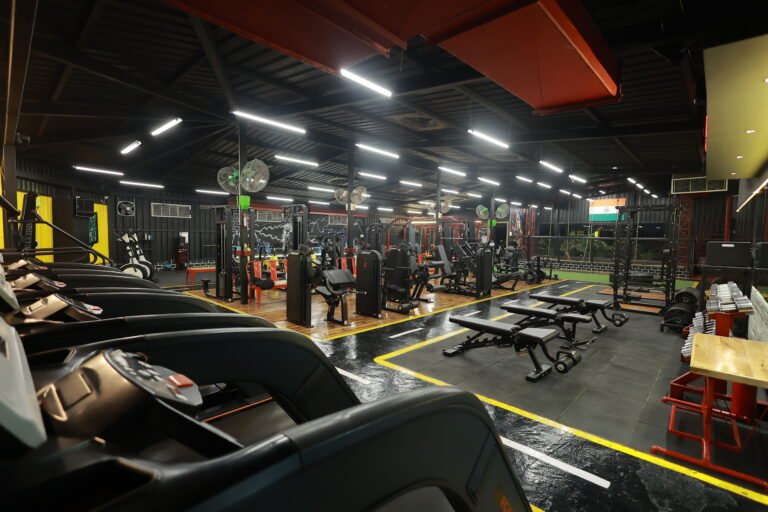
At Akhada – The Right Track Gym, Indore, you can work towards your fitness goals through structured strength training, cardio, functional workouts and personal training guidance.
Whether you want to improve stamina, reduce body fat, build muscle or develop a healthier lifestyle, following a suitable fitness routine can help you move in the right direction.
Visit Us: 3rd Floor, Press Complex, LIG Circle, AB Road, Near Dainik Bhaskar, Indore, Madhya Pradesh – 452011.
Call: +91 9111100683
Start today. Stay consistent. Make every workout count!
Frequently Asked Questions (FAQs)
1. Why am I not losing weight even after exercising daily?
You may not be maintaining a calorie deficit, or temporary water retention may be masking changes in body fat. Nutrition, sleep and daily activity also matter.
2. Is cardio enough for weight loss?
Cardio helps increase calorie expenditure, but combining it with strength training can help preserve muscle and improve overall fitness.
3. How long does it take to see weight loss results?
Results vary depending on your starting point, nutrition, activity and consistency. Look at trends over several weeks rather than daily changes.
4. Can I lose fat without losing muscle?
Yes. A suitable calorie deficit, adequate protein intake and regular resistance training can help preserve muscle while reducing body fat.
5. Why is my weight increasing after starting the gym?
Temporary water retention, muscle inflammation and changes in glycogen storage can increase body weight when you begin exercising. This does not necessarily mean you are gaining body fat.