Why Your Muscle Growth Has Stopped: Common Reasons
Muscle growth is an exciting part of any fitness journey. Initially, you may notice improvements in strength, muscle size and workout performance. However, after a few months, progress can slow down or stop completely. This is commonly known as a muscle-building plateau.
If you are training regularly but not seeing the expected results, the problem may not be your effort. Your workout routine, nutrition, recovery and training intensity may need adjustment.
Let’s understand the common reasons behind stalled muscle growth and how to overcome them.
1. You Are Not Increasing Training Intensity
Your muscles adapt to repeated physical challenges. If you continue lifting the same weights for the same number of repetitions, your body may no longer receive enough stimulus to grow.
How to improve:
- Gradually increase weights when your technique is correct.
- Try adding repetitions or sets over time.
- Focus on progressive overload.
- Maintain proper exercise form rather than lifting heavier at any cost.
2. You Are Not Eating Enough Protein
Protein provides the amino acids required for muscle repair and growth. If your daily protein intake is insufficient, recovery and muscle development may suffer.
How to improve:
- Include protein-rich foods in every meal.
- Choose options such as paneer, milk, curd, soy, tofu, lentils and eggs.
- Aim for approximately 1.6–2.2 grams of protein per kilogram of body weight daily, depending on your training and individual needs.
3. Your Calorie Intake Is Too Low
Building muscle requires sufficient energy. If you consistently consume fewer calories than your body needs, muscle growth may become difficult.
How to improve:
- Eat balanced meals with protein, carbohydrates and healthy fats.
- Consider a small calorie surplus if muscle gain is your priority.
- Track your body weight and strength progress.
- Avoid unnecessarily restrictive diets.
4. You Are Not Getting Enough Sleep
Muscle recovery does not happen only inside the gym. Sleep is an important part of the recovery process.
Poor sleep can affect workout performance, energy levels and recovery.
How to improve:
- Aim for 7–9 hours of quality sleep.
- Maintain a consistent sleep schedule.
- Avoid excessive caffeine late in the day.
- Allow your body enough recovery time between demanding sessions.
5. Your Workout Routine Has Become Repetitive
Following the same exercises, sets and repetitions for months without evaluating progress can limit your development.
You do not need to change your workout every week, but your training should evolve as your fitness improves.
How to improve:
- Review your workout every 6–8 weeks.
- Adjust volume and intensity according to recovery.
- Include suitable compound and isolation exercises.
- Train each major muscle group consistently.
6. You Are Training Too Much
More training does not always mean more muscle. Excessive workout volume without adequate recovery can lead to persistent fatigue and declining performance.
Signs to watch:
- Strength decreasing over time.
- Persistent muscle soreness.
- Low motivation to train.
- Poor sleep and unusual fatigue.
How to improve:
- Schedule adequate rest days.
- Manage weekly training volume.
- Consider a deload week when accumulated fatigue becomes a problem.
- Avoid training every set to complete failure.
7. You Are Not Tracking Your Progress
Without tracking your workouts, it becomes difficult to identify whether you are actually improving.
How to improve:
- Maintain a workout journal.
- Record weights, sets and repetitions.
- Track body weight regularly.
- Take progress photographs every 3–4 weeks.
- Monitor strength improvements and recovery.
8. Your Exercise Technique Is Incorrect
Lifting heavier weights with poor technique can reduce the effectiveness of an exercise and increase injury risk.
How to improve:
- Prioritise controlled movements.
- Use a full, comfortable range of motion.
- Avoid unnecessary momentum.
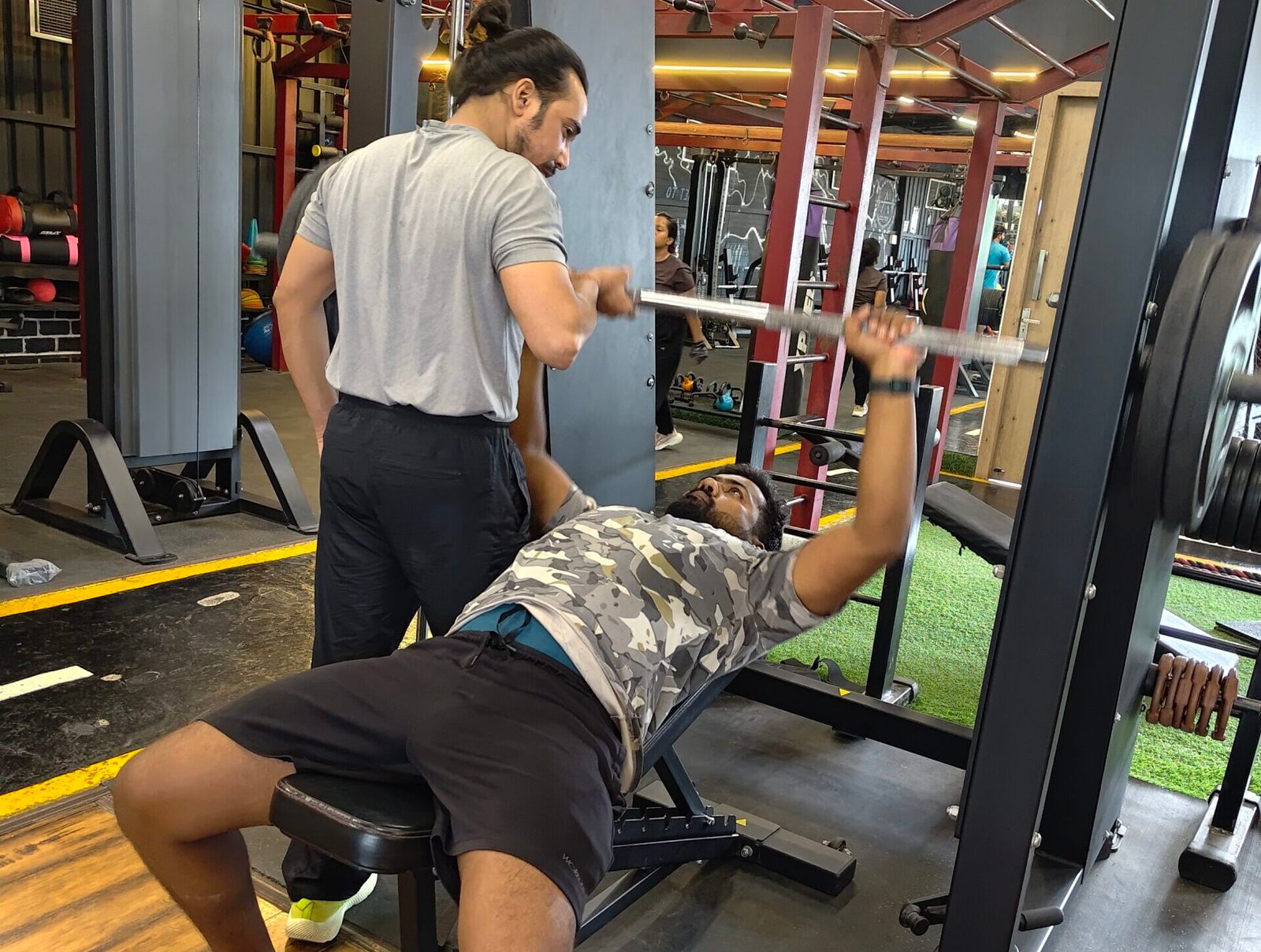
- Ask a qualified trainer to review your technique.
9. You Are Not Being Consistent Enough
Muscle growth is a gradual process. Frequently changing routines, skipping workouts and following inconsistent diets can make progress difficult.
How to improve:
- Follow a structured training schedule.
- Maintain consistent nutrition.
- Set realistic monthly targets.
- Focus on long-term progress rather than quick results.
10. Your Expectations Are Unrealistic
Muscle growth does not happen at the same speed for everyone. Training experience, genetics, age, nutrition and recovery all influence results.
Beginners may experience faster initial improvements, while experienced individuals generally need more time and structured training to make noticeable progress.
Focus on sustainable improvement rather than comparing your body with someone else’s.
How to Break Through a Muscle Growth Plateau
If your muscle growth has stopped, start with these practical steps:
- Review your current workout programme.
- Apply progressive overload gradually.
- Check your daily protein and calorie intake.
- Improve sleep and recovery.
- Track your strength and body measurements.
- Consult a qualified fitness trainer for programme adjustments.
Remember, a plateau is not a reason to give up. It is an opportunity to evaluate your routine and make smarter training decisions.
Build Strength and Muscle at Akhada – The Right Track Gym
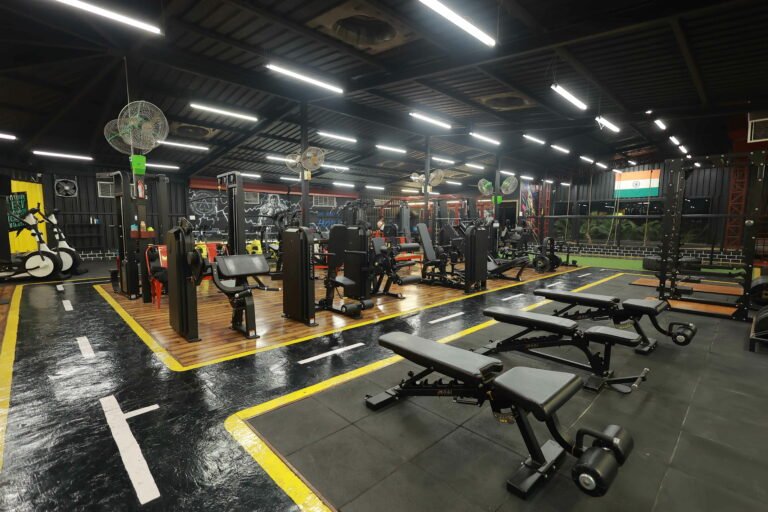
At Akhada – The Right Track Gym, Indore, you can work towards your fitness goals with structured strength training, cardio, functional workouts and personal training guidance.
Whether your goal is muscle gain, strength improvement or overall fitness, following the right workout routine and maintaining consistency can make a meaningful difference.
Visit Us: 3rd Floor, Press Complex, LIG Circle, AB Road, Near Dainik Bhaskar, Indore, Madhya Pradesh – 452011.
Call: +91 9111100683
Start training smarter, stay consistent and keep progressing!
Frequently Asked Questions (FAQs)
1. Why has my muscle growth stopped?
Common reasons include insufficient protein, inadequate calories, poor recovery, repetitive training and lack of progressive overload.
2. How long does it take to break a muscle-building plateau?
It depends on the cause. Improving nutrition, training structure and recovery may help you resume progress over the following weeks.
3. Should I change my workout if muscle growth stops?
Not necessarily. First evaluate your training intensity, exercise technique, volume and recovery. Make changes based on what is actually limiting progress.
4. Does protein help overcome a muscle growth plateau?
Adequate protein supports muscle repair and growth. However, protein alone cannot overcome poor training, insufficient calories or inadequate recovery.
5. Can beginners experience a muscle growth plateau?
Yes. Beginners can also experience stalled progress, particularly when their training, nutrition or recovery habits are inconsistent.