Full Body Workout vs Split Workout: Which Is Better?
Choosing the right workout routine can make a big difference in your fitness journey. Some people train their entire body in one session, while others divide their workouts by muscle groups across different days.
But which approach is better: a full body workout or a split workout?
The answer depends on your fitness goals, experience, weekly schedule, recovery, and personal preferences. Both methods can help you build strength, develop muscle, and improve overall fitness when planned properly.
In this guide, we’ll explain the differences, benefits, examples, and how to choose the right workout program for your goals.
What Is a Full Body Workout?
A full body workout trains the major muscle groups in a single session. Instead of focusing on just one or two muscle groups, you include exercises for the upper body, lower body, and core.
Benefits of a Full Body Workout
- Ideal for busy schedules: You can train your major muscle groups in fewer weekly sessions.
- Frequent muscle stimulation: Major muscle groups can be trained multiple times per week, depending on your schedule.
- Suitable for beginners: It helps new gym members learn fundamental movement patterns.
- Supports overall fitness: Sessions can combine strength, functional movements, and conditioning.
- Flexible scheduling: Missing one session is less likely to mean missing an entire muscle group’s weekly workout.
Example of a Full Body Workout
| Exercise | Main Focus |
|---|---|
| Squats or leg press | Legs |
| Chest press | Chest and triceps |
| Lat pulldown | Back and biceps |
| Shoulder press | Shoulders |
| Romanian deadlift | Hamstrings and glutes |
| Plank | Core |
Choose appropriate weights, sets, and repetitions based on your experience. Beginners should focus on proper technique before increasing the load.
What Is a Split Workout?
A split workout divides training across different days, usually by muscle group or movement pattern. Instead of training the whole body in every session, you focus on selected muscles.
Popular options include:
- Push-Pull-Legs (PPL): Push muscles, pull muscles, and legs are trained on separate days.
- Upper-Lower Split: Upper-body and lower-body workouts alternate.
- Body-Part Split: Different muscle groups, such as chest, back, shoulders, arms, and legs, receive dedicated sessions.
Benefits of a Split Workout
- More focused training: You can dedicate more exercises to specific muscle groups.
- Greater session flexibility: Training volume can be distributed across several days.
- Useful for experienced lifters: People with established training habits may prefer more specialised sessions.
- Supports progressive overload: It can be easier to plan and track exercises for particular muscle groups.
- Goal-specific programming: A coach can adjust training volume to focus on areas that need extra attention.
Example of a Split Workout
| Day | Workout |
|---|---|
| Monday | Chest and triceps |
| Tuesday | Back and biceps |
| Wednesday | Legs |
| Thursday | Shoulders and core |
| Friday | Upper body or selected muscle groups |
| Saturday | Optional cardio or conditioning |
| Sunday | Rest or light activity |
This is only an example. Your actual schedule should reflect your training experience, goals, and recovery needs.
Full Body Workout vs Split Workout: Key Differences
| Feature | Full Body Workout | Split Workout |
|---|---|---|
| Training focus | Major muscle groups each session | Selected muscle groups each session |
| Weekly frequency | Often 2–4 sessions | Often 3–6 sessions |
| Best suited for | Beginners and time-conscious trainees | Intermediate and advanced trainees, depending on the split |
| Session structure | Multiple major movement patterns | More focused exercises |
| Missed workout | Other sessions may still cover major muscles | A specific muscle group may be missed |
| Planning | Usually simpler | May require more scheduling |
| Muscle growth | Effective with suitable volume and progression | Equally effective when volume and progression are appropriate |
Neither approach is automatically superior. The best results depend on how consistently you train and how well the program is designed.
Which Is Better for Muscle Growth?
Both full body and split workouts can build muscle.
Muscle growth depends on several factors, including progressive overload, appropriate training volume, good exercise technique, sufficient nutrition, sleep, and recovery.
A full body routine can work well if you want to train major muscle groups several times per week without visiting the gym every day.
A split routine may suit you if you prefer longer sessions focused on particular muscle groups or need to distribute a higher training volume across the week.
Remember: A complicated workout split does not automatically produce better results. A well-planned, consistent routine matters more than the name of the program.
Which Is Better for Weight Loss?
Both workout styles can support weight management when combined with suitable nutrition and regular physical activity.
For weight loss, consider combining:
- Strength training to help preserve muscle during weight loss.
- Cardio to improve cardiovascular fitness and increase energy expenditure.
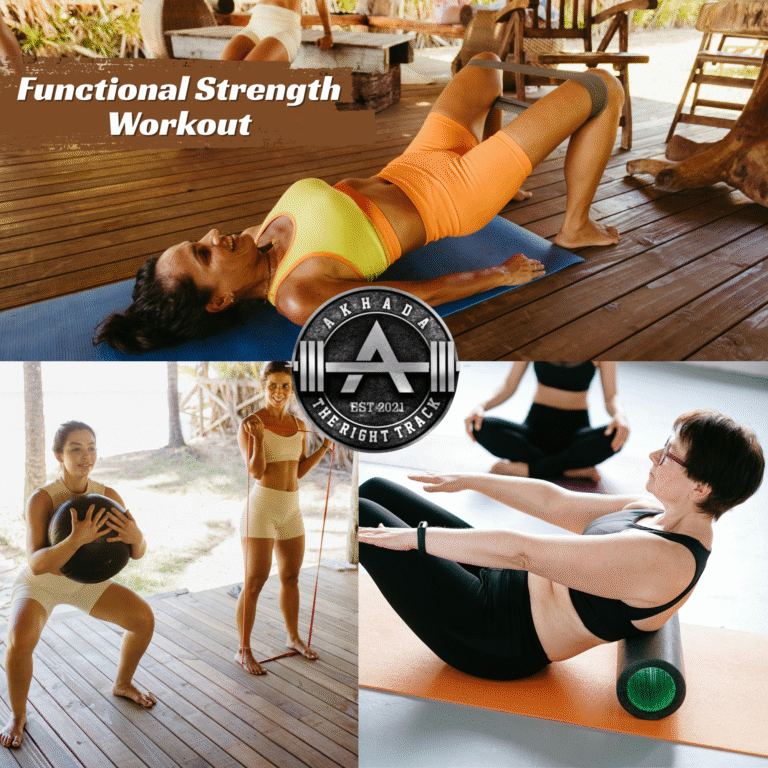
- Functional exercises to develop movement capacity and overall fitness.
- A sustainable eating plan that supports your goals.
- Consistent daily activity and adequate recovery.
You do not need to train every muscle group separately to lose weight. Choose the routine you can maintain and progress with safely.
Which Workout Is Best for Beginners?
For many beginners, a full body workout two or three times per week is a practical starting point.
It provides opportunities to learn basic exercises, practise technique, and develop a consistent routine without requiring gym attendance on most days.
A beginner full body session might include:
- Leg press or bodyweight squat
- Chest press
- Lat pulldown
- Hip-hinge movement, as appropriate
- Core exercise
- Optional light cardio
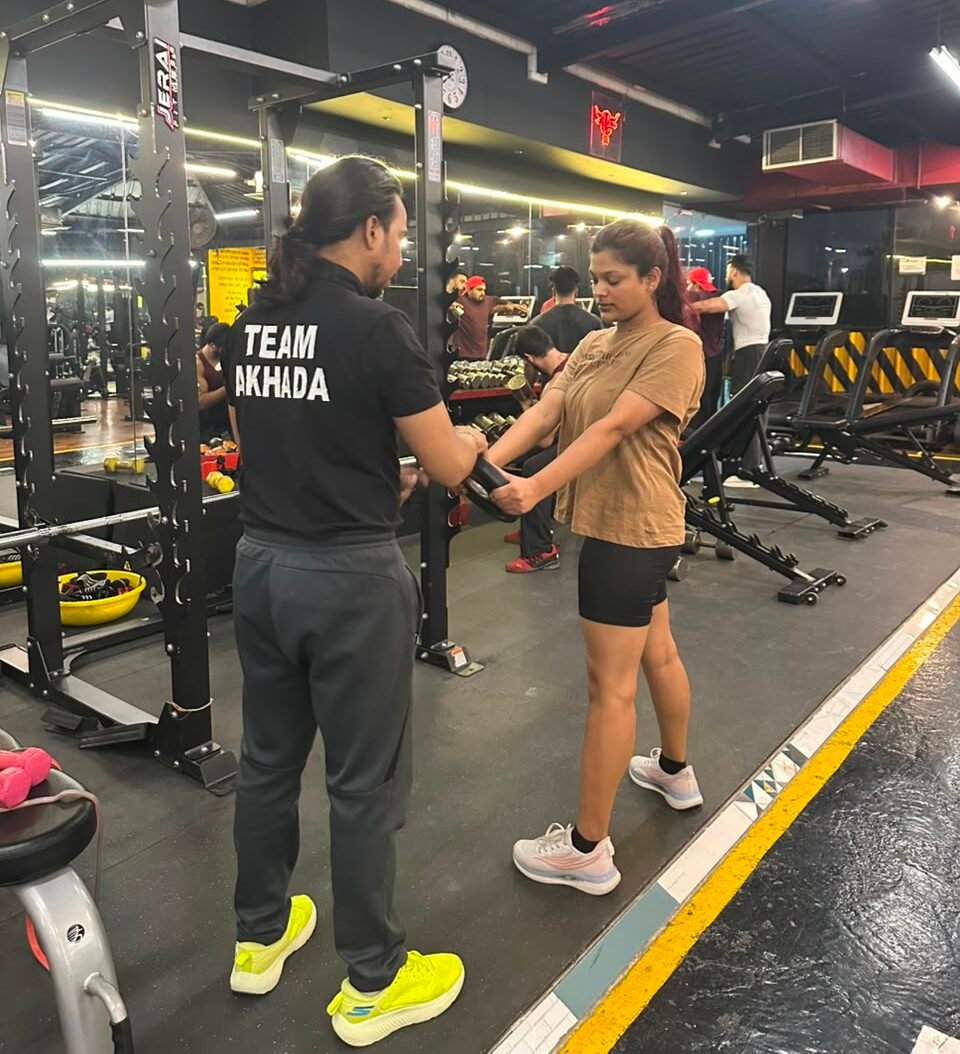
Start with manageable resistance and focus on controlled movements. A qualified trainer can help adjust the exercises to your ability and any relevant limitations.
Beginners can also use split routines successfully. The important thing is that the program is appropriate for their current fitness level.
Which Workout Is Best for Experienced Gym Members?
Experienced trainees may benefit from a split workout when they need more focused sessions or want to manage a higher weekly training volume.
For example, a Push-Pull-Legs split separates pushing exercises, pulling exercises, and leg training. An Upper-Lower split divides the week into upper-body and lower-body sessions.
However, experienced gym members can also make excellent progress with full body training. The right choice depends on individual goals, available time, training volume, and recovery.
How Many Days a Week Should You Work Out?
Your weekly schedule should match your fitness level and ability to recover.
- 2–3 days per week: Full body workouts can be a convenient option.
- 3–4 days per week: Full body or upper-lower training may work well.
- 4–6 days per week: Upper-lower, Push-Pull-Legs, or other structured splits may be suitable.
- Limited recovery or a busy schedule: A shorter, manageable routine may be more effective than a demanding plan.
These are general examples, not strict rules. You can adapt either training style to different schedules.
Common Workout Planning Mistakes to Avoid
Whether you choose full body training or a split routine, avoid these mistakes:
- Changing your workout program too frequently.
- Using weights that compromise your technique.
- Training hard without allowing enough recovery.
- Doing too many exercises without a clear purpose.
- Ignoring warm-ups and mobility.
- Comparing your program with another person’s routine.
- Expecting immediate changes in body composition.
- Neglecting nutrition, hydration, and sleep.
Track your workouts and gradually improve your performance. If you experience persistent pain, stop the aggravating exercise and seek appropriate professional guidance.
How Akhada – The Right Track Gym Can Help
Choosing the right workout plan becomes easier when you have clear goals and a structured approach.
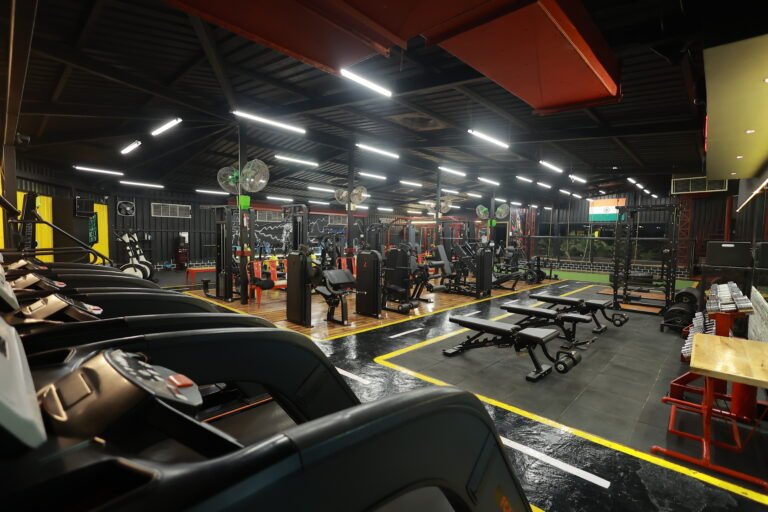
At Akhada – The Right Track Gym in Indore, members can work towards their fitness goals through strength training, cardio, functional training, HIIT, kickboxing, and personal training.
Whether you are a beginner who needs a simple full body routine or an experienced member considering a workout split, select a program based on your goals, experience, schedule, and recovery needs.
Address: 3rd Floor, Press Complex, LIG Circle, AB Road, Near Dainik Bhaskar, Indore, Madhya Pradesh – 452011
Phone: +91 9111100683
Frequently Asked Questions
1. Is a full body workout better than a split workout?
Neither is universally better. Full body workouts are convenient for people training fewer days per week, while split routines can help distribute training volume across more sessions.
2. Can I build muscle with a full body workout?
Yes. A full body workout can build muscle when it includes appropriate exercises, sufficient training volume, progressive overload, nutrition, and recovery.
3. Is a split workout good for beginners?
It can be, but beginners often find full body routines easier to schedule and learn. The best option depends on the person’s fitness level and guidance.
4. Can I lose belly fat with a full body workout?
Full body training can support overall weight management, but it cannot specifically target belly fat. Fat loss depends on overall energy balance, activity, nutrition, and individual factors.
5. How often should I train each muscle group?
The appropriate frequency depends on your total weekly training volume, exercise intensity, experience, and recovery. Many programs train major muscle groups more than once per week, but the ideal setup varies.
Final Verdict: Full Body or Split Workout?
If you are a beginner, have a busy schedule, or want a simple routine, a full body workout is often a great starting point.
If you enjoy focused training sessions, have more time to train, or need to manage a higher training volume, a split workout may be a better fit.
The best workout program is the one that matches your goals, challenges you appropriately, and helps you stay consistent.
Choose wisely, train with proper technique, recover well, and focus on steady progress.