Why Warm-Up Is Important Before Exercise
Why Warm-Up Is Important Before Exercise: Benefits, Types & Best Warm-Up Exercises
Whether you’re a beginner or an experienced fitness enthusiast, one workout habit you should never skip is warming up. Many people enter the gym and immediately start lifting weights, running on the treadmill or performing intense exercises. However, preparing your body before exercise is just as important as the workout itself.
A proper warm-up gradually prepares your muscles, joints, heart and nervous system for physical activity. It can improve movement quality, support workout performance and help reduce the risk of exercise-related injuries.
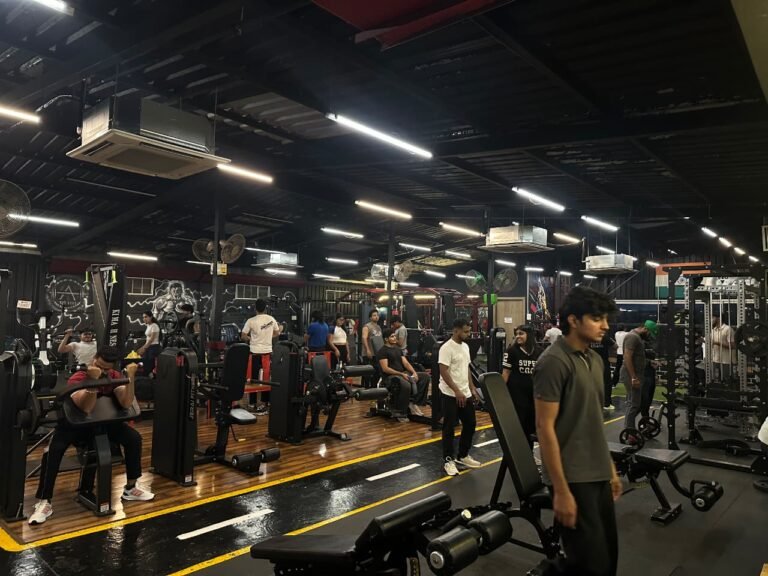
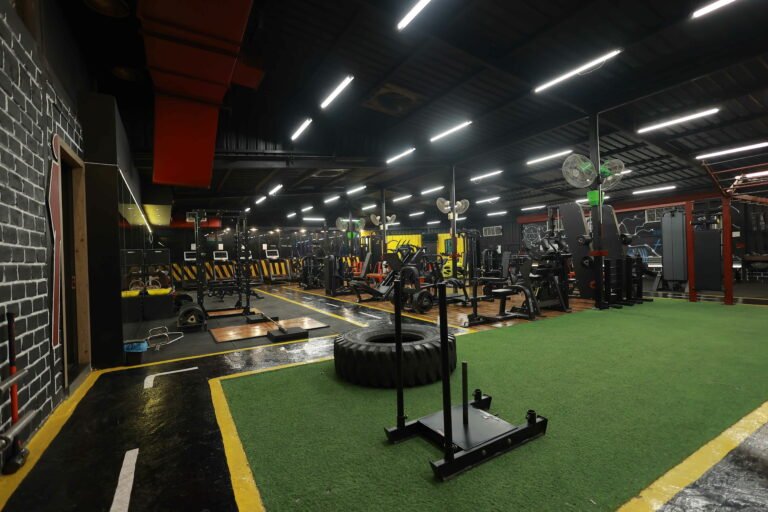
At Akhada – The Right Track Gym in Indore, we encourage members to make warm-ups an essential part of every training session.
What Is a Warm-Up Before Exercise?
A warm-up is a short period of light physical activity performed before your main workout. It gradually increases your heart rate, improves blood circulation, raises muscle temperature and prepares your body for more demanding movements.
A good warm-up usually lasts around 5–10 minutes, depending on your fitness level and the intensity of your planned workout.
For example:
- Before strength training, perform light cardio and dynamic mobility exercises.
- Before running, begin with brisk walking and gradually increase your pace.
- Before functional training, activate your core, hips and shoulders.
- Before kickboxing, include light footwork, shoulder movements and controlled practice drills.
7 Important Benefits of Warming Up Before Exercise
1. Prepares Your Muscles for Exercise
Cold muscles may feel stiff and less prepared for sudden or demanding movements. A warm-up gradually increases muscle temperature and prepares your body for physical activity.
This is particularly important before exercises such as squats, deadlifts, bench presses and lunges.
2. Improves Blood Circulation
During a warm-up, your heart rate gradually increases, helping deliver more oxygen-rich blood to working muscles.
This prepares your cardiovascular system for the demands of your main workout.
3. Improves Flexibility and Mobility
Dynamic warm-up exercises help improve your range of motion and prepare your joints for different movement patterns.
Exercises such as arm circles, leg swings, hip rotations and walking lunges can help prepare your body for training.
4. Supports Better Workout Performance
Starting your workout without preparation can make the initial movements feel uncomfortable or difficult.
A proper warm-up helps you gradually adjust to the intensity of exercise, improve coordination and perform movements with better control.
5. Helps Reduce the Risk of Injuries
A warm-up cannot guarantee injury prevention, but it can help prepare your muscles and joints for exercise.
Gradually increasing workout intensity instead of suddenly performing heavy or explosive movements is a sensible way to train more safely.
6. Activates Important Muscle Groups
Muscle activation exercises prepare specific muscles for the movements you are about to perform.
For example:
- Glute bridges before lower-body workouts
- Band pull-aparts before upper-body training
- Bird dogs before core exercises
- Bodyweight squats before leg training
These movements help you focus on proper technique and muscle engagement.
7. Improves Mental Preparation
A warm-up is also an opportunity to focus mentally before your workout.
It allows you to shift your attention towards your training goals, prepare for the exercises ahead and build consistency in your fitness routine.
Best Warm-Up Exercises Before Going to the Gym
Here are some simple exercises you can include in your daily warm-up routine.
1. Brisk Walking
<IMAGE_PLACEHOLDER>
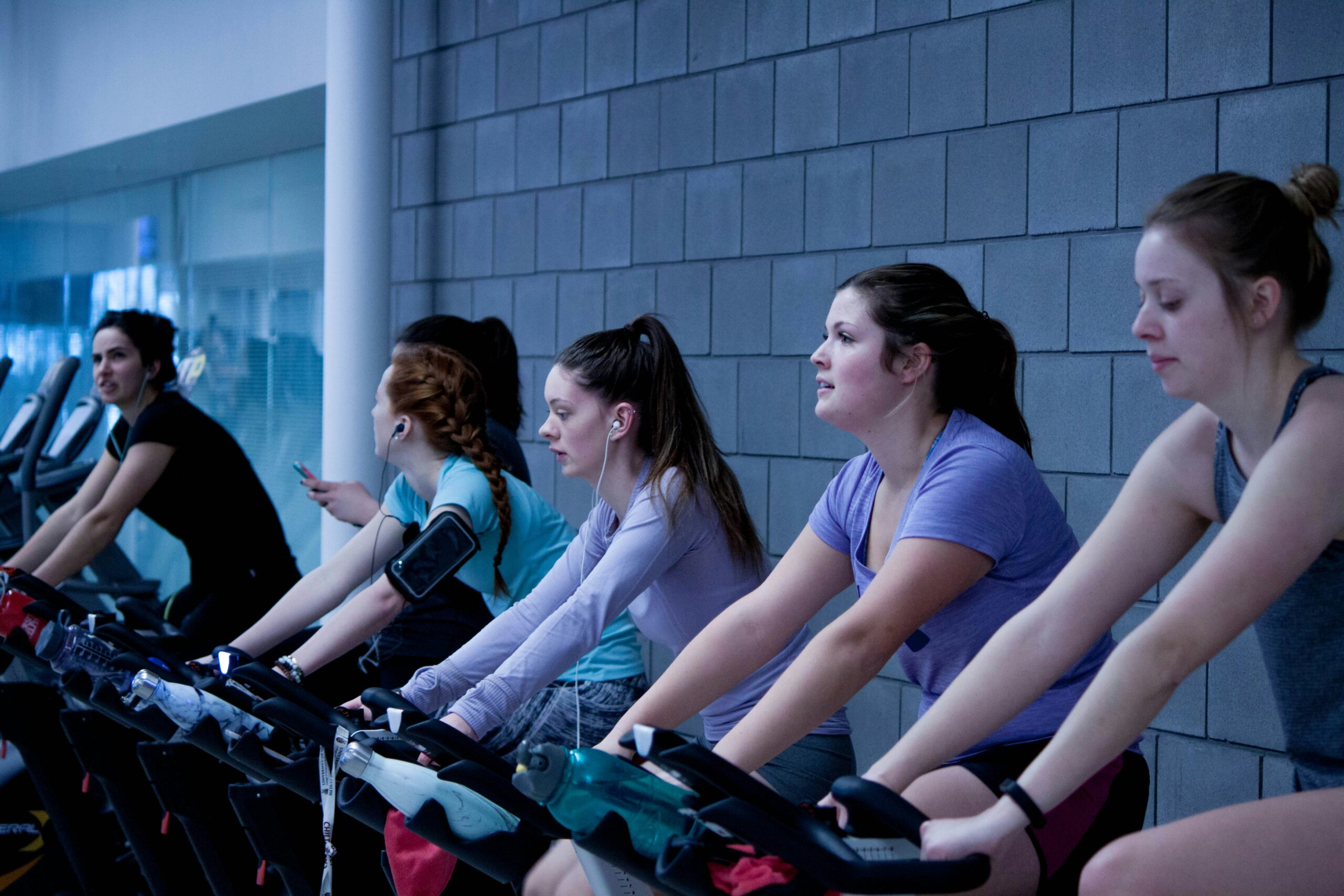
Start with 2 minutes of brisk walking or light treadmill walking. This gradually increases your heart rate and prepares your body for exercise.
2. Arm Circles
Perform controlled forward and backward arm circles to prepare your shoulders and upper body for pressing and pulling exercises.
Duration: 30 seconds in each direction.
3. Leg Swings
Hold a stable support and swing each leg forward and backward in a controlled manner.
Repetitions: 10–12 per leg.
4. Bodyweight Squats
Perform slow, controlled squats to prepare your hips, knees and ankles for lower-body training.
Repetitions: 10–12.
5. Walking Lunges
Walking lunges activate your quadriceps, glutes and other lower-body muscles.
Repetitions: 8–10 per leg.
6. Hip Rotations
Perform controlled hip circles to improve hip mobility before squats, lunges and functional movements.
Duration: 30 seconds.
7. Shoulder and Arm Mobility
Perform shoulder rolls, arm swings and controlled upper-body movements before chest, shoulder and back workouts.
Duration: 1 minute.
How to Warm Up Before Different Types of Workouts
Your warm-up should match the workout you are planning to perform.
Before Chest and Shoulder Training
- 2 minutes of light cardio
- Arm circles
- Shoulder rotations
- Light resistance band movements
- 1–2 progressively heavier warm-up sets of your first exercise
Before Back and Biceps Training
- 2 minutes of light cardio
- Arm swings
- Shoulder blade movements
- Light band rows
- Gradual warm-up sets before heavy pulling exercises
Before Leg Training
- 2 minutes of brisk walking
- Leg swings
- Hip rotations
- Bodyweight squats
- Walking lunges
- Gradual warm-up sets before heavy squats or deadlifts
Before Cardio or Running
- 3–5 minutes of brisk walking
- Dynamic leg movements
- Gradually increase your running speed
Dynamic Stretching vs Static Stretching: What’s the Difference?
Both dynamic and static stretching have a place in a fitness routine, but they serve different purposes.
Dynamic Stretching: Involves controlled movements through a comfortable range of motion. It is generally more suitable before workouts.
Examples:
- Arm circles
- Leg swings
- Walking lunges
- Hip rotations
Static Stretching: Involves holding a stretch in one position for a period of time.
Examples:
- Hamstring stretch
- Standing quadriceps stretch
- Chest stretch
- Calf stretch
Static stretching can be useful for improving flexibility, particularly after exercise or during a separate mobility session. Avoid forcing deep stretches or stretching into pain.
Common Warm-Up Mistakes You Should Avoid
Even people who regularly visit the gym sometimes make mistakes during their warm-up.
1. Skipping Warm-Up Completely: Going directly into heavy lifting or intense cardio without preparation can leave your body unprepared.
2. Warming Up Too Quickly: Sudden, aggressive movements defeat the purpose of gradually preparing your body.
3. Performing Only Static Stretching: Long static stretches are not a complete substitute for a movement-based warm-up.
4. Spending Too Much Time Warming Up: A warm-up should prepare you, not exhaust you before the main workout.
5. Lifting Heavy Weights Immediately: Always perform lighter, progressive warm-up sets before demanding compound exercises.
How Long Should You Warm Up Before a Workout?
For most general gym sessions, a 5–10-minute warm-up is a practical starting point.
| Workout type | Suggested warm-up |
|---|---|
| Strength training | 5–10 minutes |
| Cardio workout | 5–10 minutes |
| Functional training | 5–10 minutes |
| HIIT workout | 5–10 minutes |
| Running | 5–10 minutes |
These are general guidelines. Your warm-up may need to be longer in cold conditions, before demanding workouts or when you feel particularly stiff.
Remember to adjust the duration and intensity according to your fitness level and the workout ahead.
Make Warm-Up a Non-Negotiable Part of Your Fitness Routine
Building a strong and healthy body is not just about lifting heavier weights or spending more time in the gym. It is about developing the right training habits.
A proper warm-up helps prepare your body, improves movement quality and makes your workout routine more structured. Whether your goal is muscle gain, strength development, fat loss or better stamina, give your body a few minutes to prepare before every session.
Train Smarter at Akhada – The Right Track Gym, Indore
Looking for the best gym in Indore to work towards your fitness goals?
Welcome to Akhada – The Right Track Gym, where you can work on strength, muscle development, stamina and overall fitness with a variety of training options.
Our training offerings include:
- Strength and weight training
- Cardio workouts
- Functional training
- HIIT workouts
- Personal training
- Kickboxing
- Yoga and mobility
Whether you’re a beginner or an experienced fitness enthusiast, make every workout count with the right training approach.
Visit Akhada – The Right Track Gym
Address: 3rd Floor, Press Complex, LIG Circle, AB Road, Near Dainik Bhaskar, Indore, Madhya Pradesh – 452011
Contact: +91 9111100683
Akhada – The Right Track Gym. Train with Purpose. Progress with Discipline.