How to Improve Grip Strength: Best Exercises and Training Tips
Grip strength is an important part of overall fitness. Whether you are lifting dumbbells, performing deadlifts, doing pull-ups or carrying heavy objects, your hands and forearms play a major role in controlling the movement.
A stronger grip can improve your performance in strength training, help you handle heavier weights and support everyday activities.
However, grip strength is often overlooked in regular workout programmes. Let’s understand the different types of grip strength, the best exercises to improve it and how to include grip training in your gym routine.
1. What Is Grip Strength?
Grip strength refers to the ability of your hand and forearm muscles to hold, squeeze and control objects.
It is particularly important during resistance training because your grip helps maintain control over barbells, dumbbells, cables and other gym equipment.
Grip strength involves several muscles in your hands and forearms working together.
2. Different Types of Grip Strength
Understanding the different types of grip strength helps you choose the right exercises.
A. Crushing Grip
The ability to squeeze an object using your fingers and palm.
Example: Squeezing a hand gripper or stress ball.
B. Supporting Grip
The ability to hold an object for an extended period.
Example: Holding a heavy dumbbell or performing a farmer’s carry.
C. Pinch Grip
The ability to hold an object between your fingers and thumb.
Example: Holding weight plates using your fingertips and thumb.
D. Open-Hand Grip
The ability to hold thicker objects where your fingers cannot fully wrap around the handle.
Example: Holding thick-grip dumbbells or specialised training equipment.
3. Why Is Grip Strength Important?
Developing grip strength offers several benefits:
- Better Weightlifting Performance: Helps maintain a secure hold during deadlifts, rows and other pulling exercises.
- Stronger Forearms: Challenges the muscles responsible for controlling your hands and wrists.
- Improved Pull-Up Performance: Helps you maintain your hold on the pull-up bar.
- Better Functional Strength: Supports activities such as carrying shopping bags, opening jars and lifting objects.
- Improved Training Control: A secure grip helps you handle gym equipment with confidence.
Grip strength is only one factor in exercise performance. Technique, back strength, shoulder stability and overall conditioning also matter.
4. Best Exercises to Improve Grip Strength
Here are eight effective exercises you can add to your training programme.
1. Farmer’s Walk
The farmer’s walk is one of the best exercises for developing supporting grip strength.
How to perform:
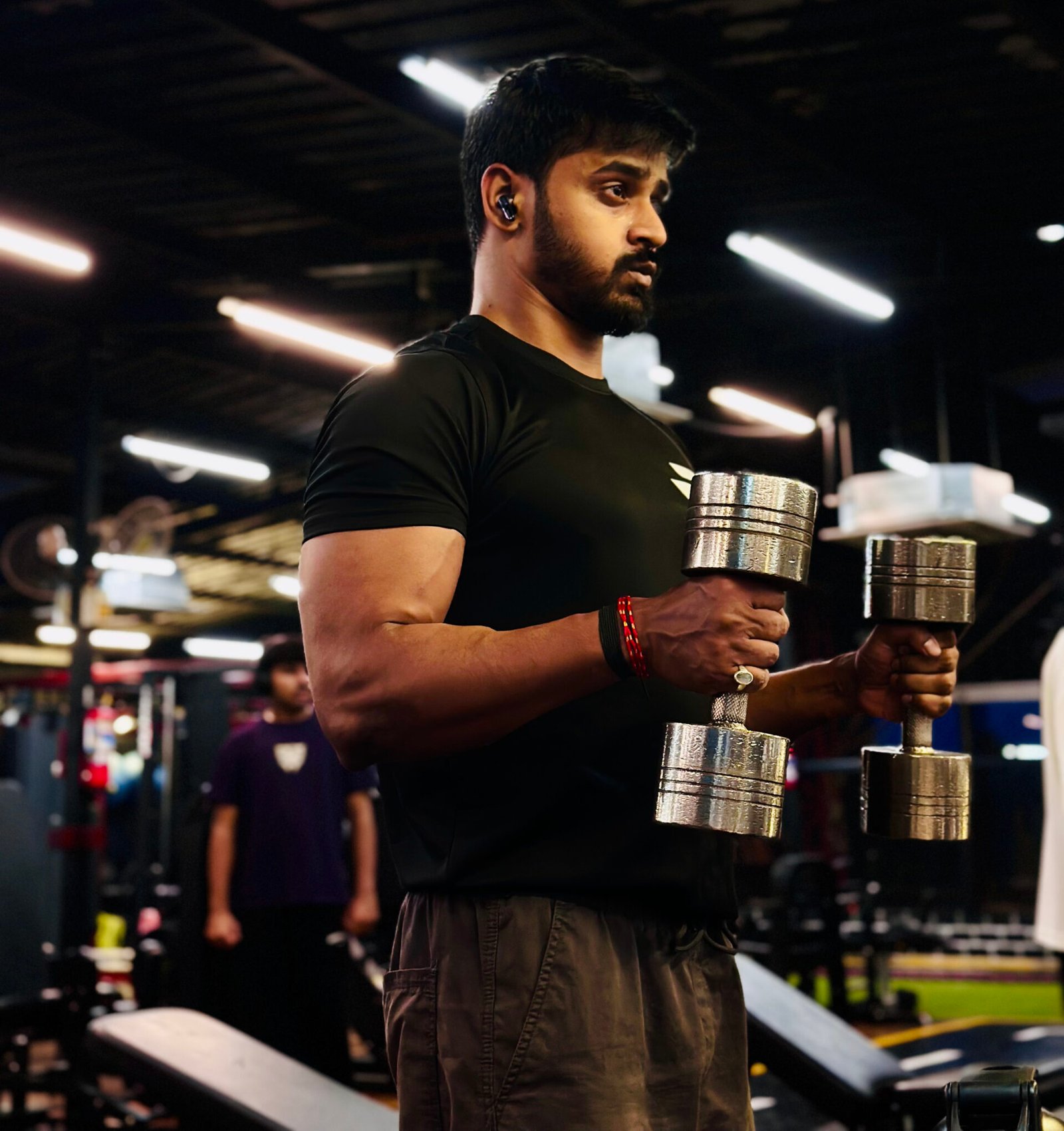
- Hold a heavy dumbbell in each hand.
- Stand upright with your shoulders controlled.
- Keep your core engaged.
- Walk forward with short, controlled steps.
- Maintain a secure grip throughout the movement.
Sets: 3
Duration: 20–40 seconds
2. Dead Hangs
Dead hangs challenge your ability to support your body weight using your hands.
How to perform:
- Hold a pull-up bar with both hands.
- Allow your body to hang comfortably.
- Keep your shoulders controlled.
- Maintain your grip for as long as you can with good form.
Sets: 3
Duration: 15–30 seconds
3. Wrist Curls
Wrist curls target the forearm muscles involved in wrist flexion.
How to perform:
- Sit on a bench with a dumbbell in each hand.
- Rest your forearms on your thighs.
- Allow your wrists to extend slightly.
- Curl your wrists upwards.
- Lower the weight slowly.
Sets: 3
Repetitions: 12–15
4. Reverse Wrist Curls
Reverse wrist curls train the muscles responsible for wrist extension.
How to perform:
- Hold a light dumbbell in each hand.
- Rest your forearms on a bench or thighs.
- Keep your palms facing downwards.
- Raise your wrists slowly.
- Return to the starting position with control.
Sets: 2–3
Repetitions: 12–15
5. Plate Pinches
Plate pinches are excellent for developing pinch grip strength.
How to perform:
- Select two suitable weight plates.
- Hold them together using your fingers and thumb.
- Keep your arm by your side.
- Maintain the hold for the prescribed duration.
- Repeat with the other hand if training unilaterally.
Sets: 3
Duration: 15–30 seconds
6. Hand Gripper Exercise
Hand grippers are convenient tools for developing crushing grip strength.
How to perform:
- Hold the gripper comfortably.
- Squeeze the handles together.
- Pause briefly.
- Release slowly.
- Repeat without using excessive momentum.
Sets: 2–3
Repetitions: 10–15
7. Barbell Holds
Barbell holds help improve supporting grip strength and are useful for weightlifters.
How to perform:
- Lift a manageable barbell into a standing position.
- Keep your arms straight.
- Maintain an upright posture.
- Hold the bar securely.
- Lower it carefully before your grip fails.
Sets: 3
Duration: 15–30 seconds
<AsyncImage query=”barbell static hold grip strength deadlift gym” aspectRatio=”16:9″/>
8. Towel Pull-Ups
Towel pull-ups provide a challenging grip workout by increasing the difficulty of holding the bar.
How to perform:
- Securely place two suitable towels over a pull-up bar.
- Hold one towel in each hand.
- Perform controlled pull-ups if you have sufficient strength.
- Start with assisted variations if needed.
Sets: 2–3
Repetitions: 5–8
<AsyncImage query=”towel grip pull ups exercise gym” aspectRatio=”16:9″/>
5. How Often Should You Train Grip Strength?
Grip muscles are already involved in many exercises, including deadlifts, rows, pull-ups and dumbbell movements.
Therefore, additional grip training does not need to be performed every day.
For most intermediate gym-goers, 2–3 focused sessions per week can be a practical starting point.
A sample routine:
| Exercise | Sets | Duration/Reps |
|---|---|---|
| Farmer’s Walk | 3 | 30 seconds |
| Dead Hangs | 3 | 20 seconds |
| Wrist Curls | 2 | 15 reps |
| Reverse Wrist Curls | 2 | 15 reps |
| Plate Pinches | 2 | 20 seconds |
Start with manageable resistance and adjust the volume according to your recovery.
6. Common Grip Training Mistakes to Avoid
Avoid these mistakes while developing stronger hands and forearms:
- Using Too Much Weight: Excessive resistance can compromise technique and increase injury risk.
- Ignoring Recovery: Your forearms also need adequate recovery.
- Training Every Day: Excessive grip work may interfere with pulling workouts.
- Ignoring Wrist Position: Maintain controlled wrist movement during exercises.
- Skipping Warm-Ups: Prepare your wrists and forearms before intense training.
- Using Only Hand Grippers: Include supporting, crushing and pinch-grip exercises for more balanced development.
7. How to Improve Grip Strength During Regular Workouts
You do not always need a separate grip workout.
You can develop grip strength through your regular training programme:
- Include deadlifts and Romanian deadlifts.
- Perform dumbbell rows.
- Add pull-ups or lat pulldowns.
- Include farmer’s walks.
- Perform controlled dumbbell holds.
- Use challenging but manageable resistance.
If your grip is the limiting factor during a particular exercise, lifting straps may help you train the target muscles. However, continue developing your grip separately rather than relying on straps for every pulling exercise.
8. Tips for Faster Grip Strength Progress
Follow these practical tips to improve your grip over time:
- Train consistently 2–3 times per week.
- Increase holding duration gradually.
- Progress resistance when your technique is controlled.
- Train both hands equally.
- Maintain proper wrist positioning.
- Allow sufficient recovery.
- Avoid training through wrist or elbow pain.
Grip strength improves through consistent practice, just like other aspects of muscular strength.
Build Stronger Grip and Overall Strength at Akhada – The Right Track Gym
Grip strength plays an important role in strength training, muscle development and functional fitness.
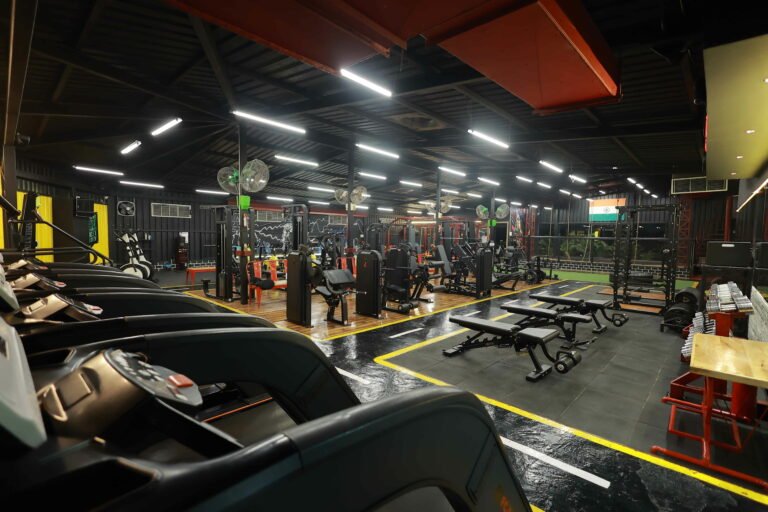
At Akhada – The Right Track Gym, Indore, you can work towards your fitness goals with structured strength training, functional workouts, cardio and personal training guidance.
Whether you want to improve your lifting performance, develop stronger forearms or build overall strength, a balanced workout programme can help you progress.
Visit Us: 3rd Floor, Press Complex, LIG Circle, AB Road, Near Dainik Bhaskar, Indore, Madhya Pradesh – 452011.
Call: +91 9111100683
Train consistently. Strengthen your grip. Lift with confidence!
Frequently Asked Questions (FAQs)
1. How long does it take to improve grip strength?
With consistent training, some improvements may become noticeable within a few weeks. Results depend on training frequency, resistance, recovery and your starting strength.
2. Are hand grippers enough to build grip strength?
Hand grippers develop crushing grip strength, but a balanced programme should also include supporting and pinch-grip exercises.
3. Do deadlifts improve grip strength?
Yes. Deadlifts challenge your supporting grip because you must hold a loaded barbell throughout the exercise.
4. Can I train grip strength every day?
It is generally better to allow recovery between demanding grip sessions. Two to three focused sessions per week are sufficient for many people.
5. Does grip strength help with pull-ups?
Yes. Stronger supporting grip can help you maintain your hold on the bar, although back strength and upper-body control are also essential.
6. Which exercise is best for overall grip strength?
Farmer’s walks are an excellent option because they challenge supporting grip while also training core stability and overall body control.