Core Strength: Why a Strong Core Matters
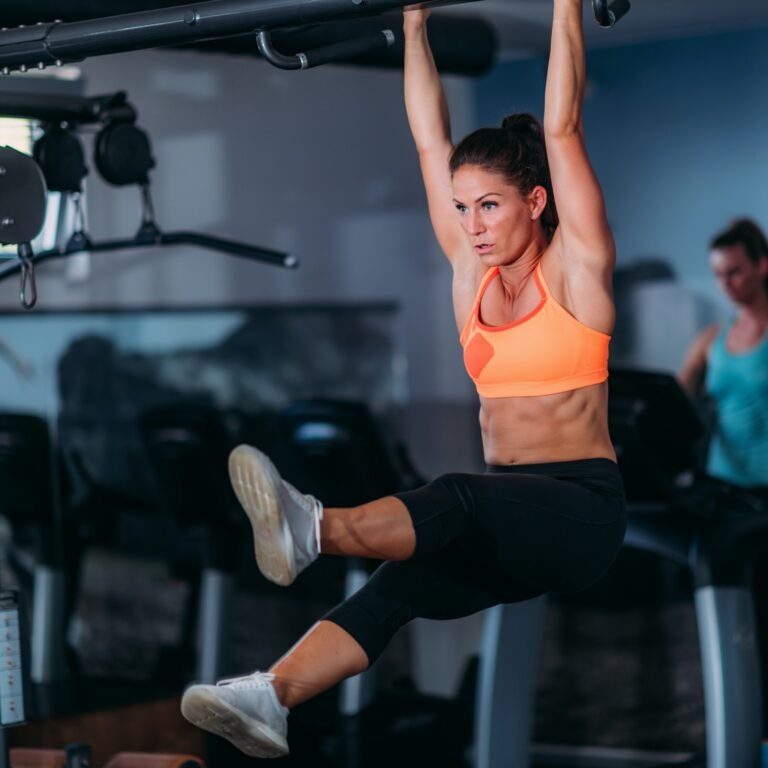
A strong core is the foundation of overall fitness. Whether you are lifting weights, running, performing functional exercises or simply carrying out everyday activities, your core muscles play an important role in maintaining stability, balance and proper movement.
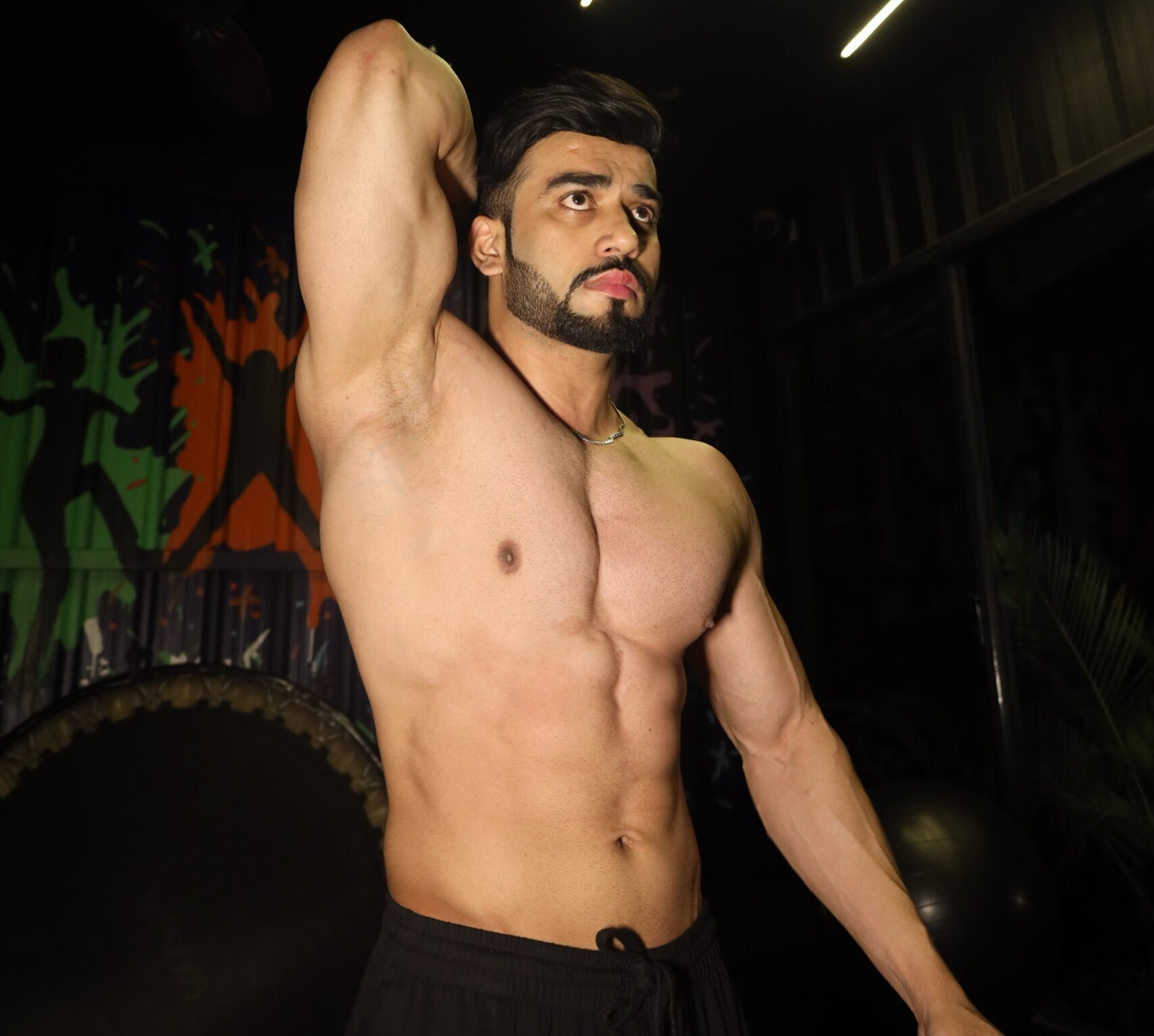
Many people think core training is only about developing visible six-pack abs. However, core strength goes much deeper than appearance. It helps support your spine, improves posture, enhances athletic performance and allows you to perform exercises with better control.
Let’s understand why core strength matters, which muscles are involved and how you can build a stronger core.
1. What Is Core Strength?
Core strength refers to the ability of the muscles around your abdomen, lower back, pelvis and hips to stabilise and control your body.
Your core is not just your abdominal muscles. It includes several muscle groups that work together to support your spine and transfer force between your upper and lower body.
The major muscles involved include:
- Rectus Abdominis: The front abdominal muscles commonly associated with six-pack abs.
- Transverse Abdominis: Deep abdominal muscles that help stabilise the spine.
- Obliques: Muscles on the sides of your abdomen that assist with rotation and side bending.
- Erector Spinae: Back muscles that help maintain spinal stability and posture.
- Multifidus: Deep spinal muscles that contribute to spinal control.
- Pelvic Floor and Diaphragm: Important muscles involved in breathing and core pressure management.
Together, these muscles help your body remain stable during movement.
2. Why Is a Strong Core Important?
A. Improves Body Stability
Your core acts as a stabilising centre during almost every physical activity. A strong core helps maintain control while performing exercises such as squats, lunges, deadlifts and overhead presses.
Better stability allows you to perform movements more efficiently and maintain proper technique.
B. Supports Better Posture
Weak or poorly coordinated core muscles can make it harder to maintain good posture during prolonged sitting, standing and physical activity.
Core training can improve your ability to control your trunk and maintain a comfortable, stable position.
Remember, posture also depends on mobility, strength, daily habits and individual anatomy.
C. Helps Improve Strength Training Performance
Your core transfers force between your upper and lower body. This is particularly important during compound exercises.
For example:
- Squats require trunk stability throughout the movement.
- Deadlifts require strong abdominal bracing.
- Overhead presses require control of the spine and pelvis.
- Bent-over rows require the core to stabilise your torso.
A stronger and better-coordinated core can help you perform these exercises with improved control.
D. Enhances Balance and Coordination
Core muscles help control your body when your position changes or when you move on an unstable surface.
Exercises such as planks, bird dogs and single-leg movements challenge your ability to maintain balance.
This can be useful for sports, functional fitness and everyday activities.
E. Supports Everyday Activities
Core strength is not limited to the gym. You use these muscles when bending, lifting objects, climbing stairs, walking and getting up from a chair.
A well-conditioned core helps you control these movements and maintain stability.
F. Helps Maintain Spinal Control
Core muscles work together to support and control the spine during movement.
Developing core strength and coordination can improve your ability to manage physical loads. However, core exercises alone cannot guarantee the prevention of back pain or injuries.
3. Best Exercises to Build Core Strength
You do not need complicated equipment to develop a stronger core. Start with basic movements and gradually increase the difficulty as your technique improves.
1. Plank
<AsyncImage query=”person performing forearm plank exercise correct form gym” aspectRatio=”16:9″ />
The plank is an effective isometric exercise that challenges abdominal and trunk stability.
How to perform:
- Position your forearms on the floor.
- Extend your legs behind you.
- Keep your body in a straight line.
- Tighten your abdominal and glute muscles.
- Hold the position without allowing your hips to drop.
Suggested sets: 3
Duration: 20–45 seconds
2. Dead Bug
<AsyncImage query=”dead bug core exercise demonstration fitness mat” aspectRatio=”16:9″ />
Dead bugs train core control while moving your arms and legs in opposite directions.
How to perform:
- Lie on your back with your arms pointing upwards.
- Lift your legs with knees bent at 90 degrees.
- Slowly lower the opposite arm and leg.
- Keep your lower back controlled against the floor.
- Return to the starting position and alternate sides.
Suggested sets: 3
Repetitions: 10–12 per side
3. Bird Dog
<AsyncImage query=”bird dog core exercise demonstration gym mat” aspectRatio=”16:9″ />
Bird dogs improve trunk stability and coordination.
How to perform:
- Start on your hands and knees.
- Extend your right arm and left leg.
- Keep your hips level.
- Hold briefly before returning.
- Repeat on the opposite side.
Suggested sets: 3
Repetitions: 10 per side
4. Side Plank
<AsyncImage query=”side plank exercise correct form fitness mat” aspectRatio=”16:9″ />
Side planks target the obliques and lateral trunk muscles.
How to perform:
- Lie on your side.
- Place your elbow directly below your shoulder.
- Lift your hips off the floor.
- Maintain a straight body position.
- Hold and repeat on the other side.
Suggested sets: 3
Duration: 20–30 seconds per side
5. Reverse Crunch
<AsyncImage query=”reverse crunch abdominal exercise demonstration gym mat” aspectRatio=”16:9″ />
Reverse crunches train the abdominal muscles through controlled pelvic movement.
How to perform:
- Lie on your back with your knees bent.
- Lift your knees towards your chest.
- Gently curl your pelvis off the floor.
- Lower slowly without swinging your legs.
Suggested sets: 3
Repetitions: 12–15
6. Pallof Press
<AsyncImage query=”Pallof press cable core exercise gym demonstration” aspectRatio=”16:9″ />
The Pallof press trains your ability to resist rotational forces.
How to perform:
- Stand sideways to a cable machine or resistance band.
- Hold the handle near your chest.
- Extend your arms forward.
- Resist the pull without rotating your torso.
- Return slowly and repeat.
Suggested sets: 3
Repetitions: 10–12 per side
4. Core Training vs Abs Training: Understand the Difference
Although core training and abdominal training overlap, they are not exactly the same.
| Core Training | Abs Training |
|---|---|
| Focuses on overall trunk stability | Focuses more on abdominal muscles |
| Includes anti-rotation exercises | Includes crunches and sit-ups |
| Improves balance and control | Develops abdominal strength |
| Supports compound movements | Targets specific abdominal muscles |
For balanced fitness, include both abdominal exercises and exercises that challenge your entire core.
5. How Often Should You Train Your Core?
For most people, training the core 2–3 times per week is a practical starting point.
You do not need to train your abs every day. Like other muscle groups, your core muscles also benefit from appropriate recovery.
A simple weekly structure could look like this:
| Day | Core Workout |
|---|---|
| Monday | Plank + Dead Bug |
| Wednesday | Side Plank + Bird Dog |
| Friday | Reverse Crunch + Pallof Press |
Start with manageable sets and repetitions. Increase difficulty gradually while maintaining proper technique.
6. Common Core Training Mistakes to Avoid
Avoid these mistakes if you want better results from your core workouts:
- Training only for six-pack abs: Core strength involves much more than visible abdominal muscles.
- Ignoring breathing: Avoid holding your breath unnecessarily during exercises.
- Using momentum: Perform controlled repetitions instead of swinging your body.
- Arching your lower back: Maintain appropriate spinal control during movements.
- Increasing difficulty too quickly: Build strength gradually.
- Ignoring recovery: Give your muscles enough time to recover between demanding sessions.
- Neglecting compound exercises: Squats, deadlifts and other compound movements also challenge core stability.
7. Does Core Strength Help With Muscle Gain?
Yes. Core strength supports many exercises used in muscle-building programmes.
For example, a stable trunk helps you maintain proper positioning during squats, deadlifts, rows and overhead presses.
However, core training alone does not directly build muscle throughout your entire body. For overall muscle development, combine core exercises with progressive resistance training, adequate protein intake and proper recovery.
8. How to Include Core Training in Your Gym Routine
You can add core exercises at the end of your regular strength-training session.
A simple 10–15-minute routine:
| Exercise | Sets | Repetitions / Duration |
|---|---|---|
| Plank | 3 | 30 seconds |
| Dead Bug | 3 | 10 per side |
| Reverse Crunch | 3 | 12 reps |
| Side Plank | 2 | 20 seconds per side |
Choose exercises according to your fitness level. Beginners should prioritise technique and gradually progress to more challenging variations.
Build a Stronger Core at Akhada – The Right Track Gym
Core strength plays an important role in building a balanced and functional body. Whether your goal is muscle gain, strength improvement, better balance or overall fitness, including core exercises in your workout routine can make a difference.
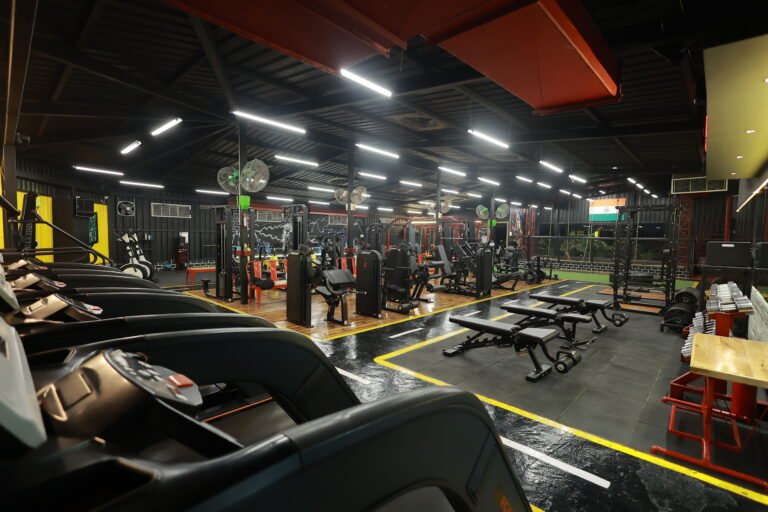
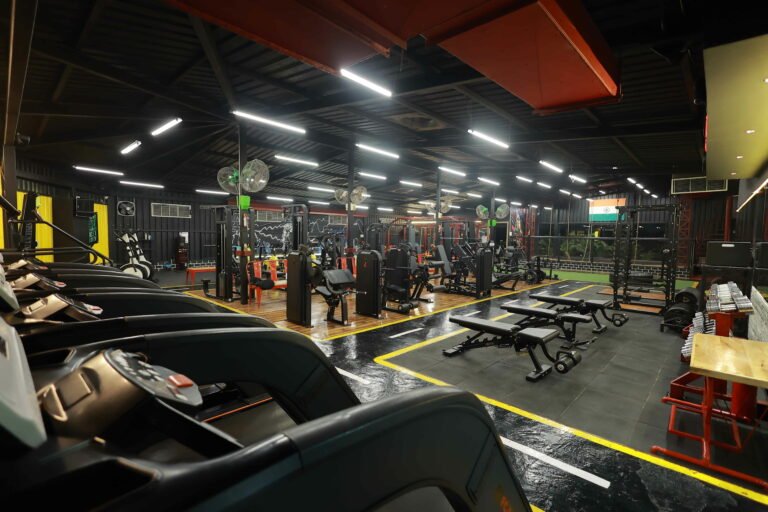
At Akhada – The Right Track Gym, Indore, you can work towards your fitness goals with structured strength training, functional workouts, cardio and personal training guidance.
Visit Us: 3rd Floor, Press Complex, LIG Circle, AB Road, Near Dainik Bhaskar, Indore, Madhya Pradesh – 452011.
Call: +91 9111100683
Train smart, build stability and develop a stronger foundation for every workout!
Frequently Asked Questions (FAQs)
1. What is the best exercise for core strength?
Planks, dead bugs, bird dogs, side planks and Pallof presses are effective options. The best exercise depends on your fitness level and training goals.
2. Can I train my core every day?
Most people do not need daily intensive core training. Two to three focused sessions per week can be sufficient when combined with other strength exercises.
3. Does core training reduce belly fat?
Core exercises strengthen abdominal muscles but do not specifically burn belly fat. Fat loss generally requires an appropriate calorie deficit, regular physical activity and consistent nutrition.
4. How long does it take to build core strength?
Improvements in coordination and exercise performance may appear within a few weeks of consistent training. Noticeable strength development takes time and depends on training frequency, progression and recovery.
5. Is core training important for beginners?
Absolutely. Beginners can benefit from basic core exercises because they help develop body control, stability and movement awareness.