How to Build a Sustainable Fitness Routine: A Beginner’s Guide
Starting a fitness journey is exciting, but staying consistent is where the real transformation happens. Many people join a gym with big goals, follow an intense workout routine for a few days, and eventually lose motivation because the plan is too demanding or difficult to maintain.
The secret to long-term fitness is not exercising excessively or following a perfect diet. It is building a sustainable fitness routine that fits your lifestyle, energy levels, and personal goals.
Whether you want to lose weight, build muscle, improve stamina, or simply feel healthier, a well-planned routine can help you make steady progress.
If you are searching for a gym in Indore where you can work towards your fitness goals, understanding these fundamentals is an excellent place to start.
1. Set Realistic and Meaningful Fitness Goals
Before starting your workout routine, identify what you want to achieve. Having a clear goal helps you choose suitable exercises and measure your progress.
Common fitness goals include:
- Weight management: Develop healthier eating and exercise habits.
- Muscle building: Improve strength through progressive resistance training.
- Better stamina: Combine cardiovascular exercise with regular physical activity.
- Improved flexibility: Include mobility exercises and stretching.
- Overall health: Build a balanced routine that supports strength, endurance, and general well-being.
Avoid trying to achieve everything at once. Start with one or two priorities and build from there.
For example, instead of saying, “I want to get fit quickly,” set a specific goal such as completing three workouts every week for the next month.
Remember, consistent actions matter more than ambitious promises.
2. Start Small and Increase Gradually
One of the biggest mistakes beginners make is doing too much too soon. Long workouts, heavy weights, and intense daily training can lead to excessive soreness, fatigue, and loss of motivation.
Start with a manageable routine and gradually increase your workload as your fitness improves.
A beginner might start with:
- Three days of strength training per week.
- Two days of light cardio, brisk walking, or cycling.
- Five to ten minutes of suitable warm-up and mobility exercises.
- Regular rest and recovery.
Your starting level should depend on your current fitness, schedule, and any health limitations. You can increase the duration or intensity as the routine becomes easier.
The best workout plan is one you can repeat consistently without exhausting yourself.
3. Choose Exercises You Enjoy
You do not have to follow the same workout as everyone else. Enjoyment plays an important role in making exercise a long-term habit.
Depending on your preferences and goals, your routine may include:
Strength training
Strength training helps develop muscle strength and supports everyday movements. Beginners can start with bodyweight exercises, resistance machines, dumbbells, or other suitable resistance exercises.
Cardiovascular exercise
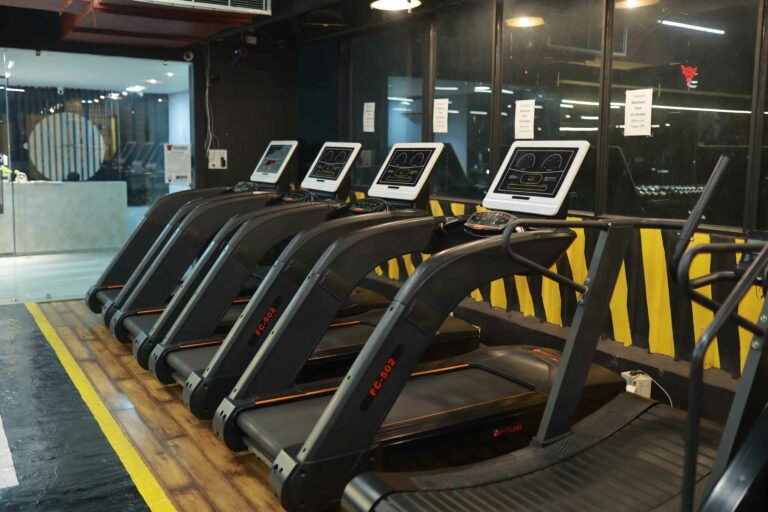
Walking, cycling, treadmill workouts, and other aerobic activities can improve cardiovascular fitness and endurance.
Functional training
Functional exercises develop movement skills such as balance, coordination, stability, and strength that are useful in everyday life.
Mobility and flexibility
Mobility work and appropriate stretching can help you move comfortably and work on areas of restricted movement.
You can combine different activities to keep your routine interesting. If you enjoy your workouts, you are more likely to continue doing them.
4. Create a Weekly Workout Schedule
A planned schedule removes the daily confusion of deciding whether to exercise and what to do.
Here is a simple example of a beginner-friendly weekly routine.
| Day | Suggested activity |
|---|---|
| Monday | Full-body strength training |
| Tuesday | Walking or light cardio |
| Wednesday | Full-body strength training |
| Thursday | Mobility work or active recovery |
| Friday | Full-body strength training |
| Saturday | Enjoyable cardio or recreational activity |
| Sunday | Rest or gentle movement |
This is only an example. You can adjust the days according to your availability, recovery, and fitness level.
If you are very busy, begin with two or three planned sessions each week. A realistic schedule is more valuable than a demanding plan that repeatedly gets postponed.
5. Make Exercise a Habit, Not a Temporary Challenge
Motivation naturally changes from day to day. Some mornings you may feel energetic, while on others you may prefer to stay in bed.
This is why sustainable fitness depends on habits rather than motivation alone.
Try these simple strategies:
- Fix a workout time: Exercise at a time that suits your daily routine.
- Prepare in advance: Keep your gym clothes, shoes, and water bottle ready.
- Schedule workouts: Treat your workout like an important appointment.
- Use a minimum target: On difficult days, consider a shorter session instead of abandoning your routine entirely.
- Track attendance: Focus on how regularly you show up, not just how hard you train.
Avoid turning one missed workout into a missed week. Return to your routine at the next planned opportunity.
6. Follow a Balanced and Sustainable Diet
Exercise and nutrition work together. You need adequate energy and nutrients to support training, recovery, and everyday activities.
A balanced diet generally includes:
- Protein: Dal, beans, lentils, dairy, eggs if consumed, soy products, and other suitable protein sources.
- Carbohydrates: Rice, roti, oats, potatoes, fruits, and other energy-providing foods.
- Healthy fats: Nuts, seeds, and appropriate amounts of oils.
- Vegetables and fruits: Sources of fibre, vitamins, minerals, and other beneficial nutrients.
- Water: Regular hydration throughout the day, adjusted for activity and environmental conditions.
Your nutrition should match your goal. Weight loss generally requires a manageable calorie deficit, while muscle gain often benefits from adequate calories, protein, and progressive resistance training.
You do not need an extreme diet or expensive supplements to begin. Build healthy eating habits that you can maintain over time.
If you have a medical condition or specific dietary requirements, consult an appropriate healthcare professional for personalised advice.
7. Prioritise Sleep and Recovery
Fitness improvements do not happen only during workouts. Recovery is an essential part of the process.
Insufficient sleep and excessive training can contribute to fatigue, poor performance, and difficulty maintaining consistency.
To support recovery:
- Aim for around seven to nine hours of sleep per night if you are an adult.
- Avoid training the same muscle groups intensely without sufficient recovery.
- Include rest days or lighter activity when needed.
- Eat enough to support your activity and goals.
- Adjust your workout when you experience unusual fatigue or persistent soreness.
Recovery is not a sign of weakness. It is part of a well-designed fitness routine.
8. Track Progress Beyond the Weighing Scale
Body weight is only one measure of progress. Depending on your goal, other indicators may provide a more complete picture.
Track improvements such as:
- The number of workouts completed each week.
- The weights or repetitions you can perform with good technique.
- Walking distance or cardiovascular endurance.
- Changes in waist measurements, if relevant.
- Energy levels and daily movement.
- Sleep quality and workout recovery.
- How comfortably you perform everyday activities.
Take measurements under similar conditions and compare trends over several weeks rather than reacting to daily fluctuations.
Progress may not always be visible immediately, but improvements in strength, stamina, and consistency can show that your efforts are paying off.
9. Learn Proper Technique and Progress Gradually
Lifting heavier weights is not the only way to improve. Good technique, appropriate exercise selection, and gradual progression are equally important.
As an exercise becomes easier, you may be able to add a few repetitions, increase resistance slightly, improve control, or perform the movement with better technique.
Avoid comparing your starting point with someone who has trained for years.
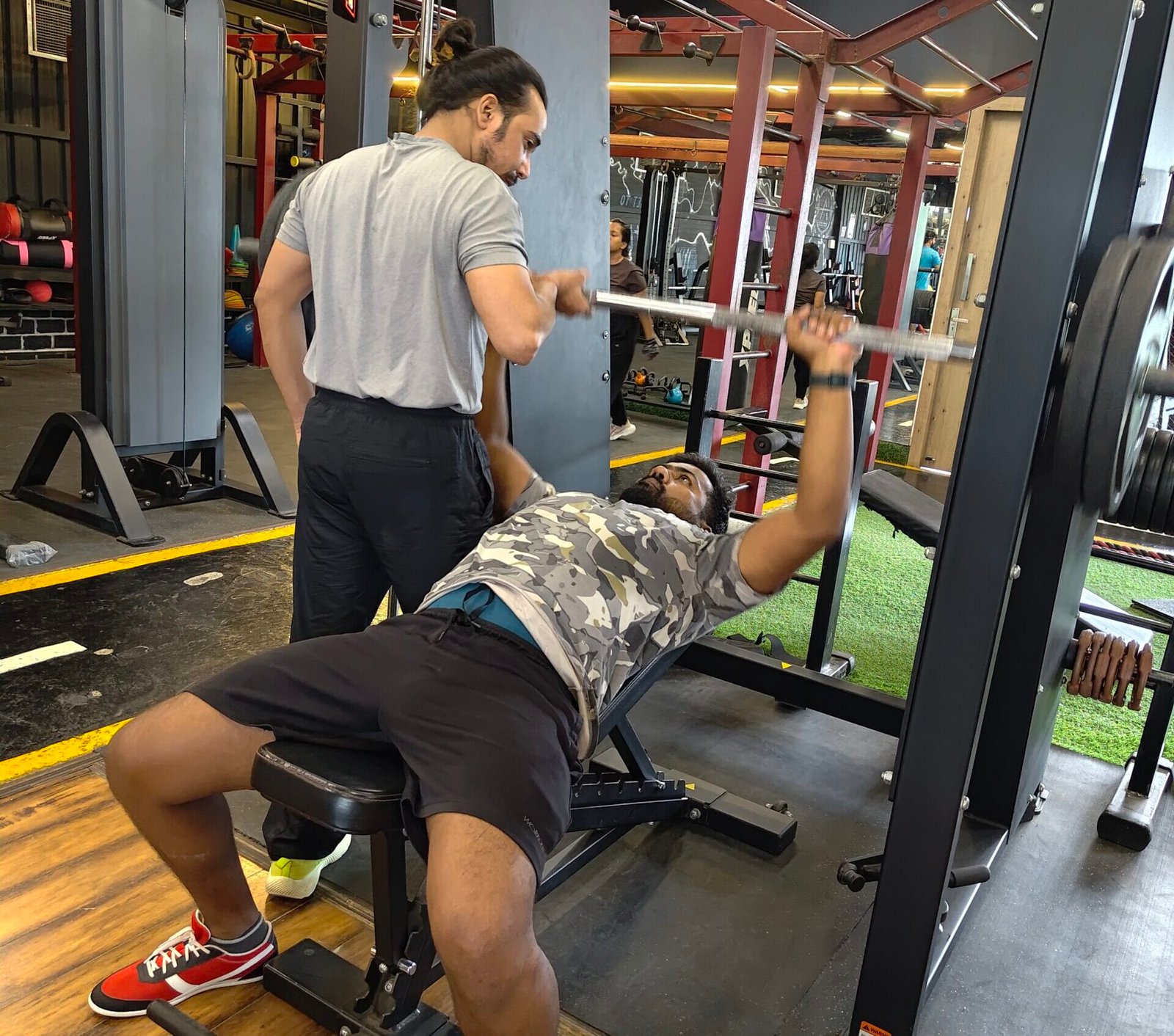
If you are new to exercise, consider getting guidance from a qualified fitness professional who can help you understand exercise form, choose suitable resistance, and structure your workouts.
Stop exercising and seek appropriate medical advice if you experience concerning symptoms such as chest pain, faintness, or unusual breathlessness.
10. Adapt Your Routine to Your Lifestyle
A sustainable fitness routine should support your life, not make it unnecessarily difficult.
If you work long hours, schedule shorter sessions. If you travel frequently, use walking or simple bodyweight exercises when appropriate. If you prefer morning workouts, prepare everything the night before.
You can also plan a backup workout for busy days.
For example, if you cannot complete your usual 60-minute gym session, a shorter, well-planned workout may help you maintain the habit.
The objective is not perfection. It is finding practical ways to stay active through changing schedules and circumstances.
11. Common Mistakes That Make Fitness Difficult to Maintain
Avoid these common mistakes when developing your routine:
Expecting immediate results: Fitness improvements take time. Focus on steady progress rather than unrealistic deadlines.
Training intensely every day: More exercise is not always better. Balance training with recovery.
Copying someone else’s routine: Your training should reflect your experience, goals, schedule, and physical capabilities.
Following restrictive diets: Extreme eating plans can be difficult to sustain and may not meet your nutritional needs.
Ignoring pain: Do not push through sharp or persistent pain. Modify the activity and seek professional assessment when needed.
Giving up after a setback: Missing a session or having an inconsistent week does not erase your progress. Restart with your next planned workout.
12. Build Your Fitness Journey at Akhada – The Right Track Gym, Indore
Finding the right environment can make it easier to stay accountable and develop a regular exercise habit.
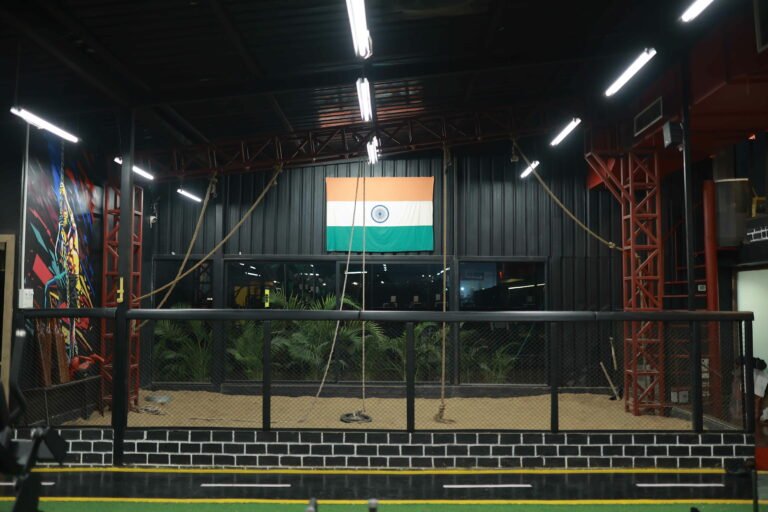
At Akhada – The Right Track Gym, you can work towards your fitness goals through training options that include strength and weight training, cardio, functional workouts, HIIT, kickboxing, mobility work, and personal training.
Whether you are a beginner learning the basics or an experienced gym member looking to improve your routine, focus on choosing an appropriate plan, learning correct techniques, and progressing at a pace you can maintain.
If you are searching online for a Gym for Beginners in Indore, consider visiting Akhada to learn more about the available training facilities and options.
Gym Name: Akhada – The Right Track Gym
Address: 3rd Floor, Press Complex, LIG Circle, AB Road, Near Dainik Bhaskar, Indore, Madhya Pradesh – 452011
Phone: +91 9111100683
Website: akhadatrt.com
Take the first step, set realistic goals, and build a routine that works for you.
Frequently Asked Questions
1. How many days a week should a beginner go to the gym?
Two or three strength-training sessions per week can be a practical starting point for many beginners. The ideal frequency depends on your fitness level, recovery, schedule, and goals.
2. How long should a beginner’s workout last?
A beginner can start with a manageable session of around 30–45 minutes, including a warm-up and workout. The duration can change as fitness and confidence improve.
3. How can I stay consistent with exercise?
Choose a convenient workout time, set realistic goals, plan your sessions in advance, and track your attendance. Start with a manageable routine rather than trying to change everything at once.
4. Is strength training suitable for beginners?
Yes. Beginners can benefit from appropriately designed strength training when they learn correct technique, use suitable resistance, and progress gradually.
5. Can I lose weight with a sustainable fitness routine?
Yes. Regular physical activity, balanced nutrition, adequate sleep, and consistent habits can support weight management. Weight loss generally requires a sustained calorie deficit.
6. Which gym should beginners consider in Indore?
Beginners should look for a gym with suitable equipment, a convenient location, a welcoming environment, and access to guidance on exercise technique. Akhada – The Right Track Gym is located in the Press Complex near LIG Circle on AB Road, Indore.
Final Thoughts
Building a sustainable fitness routine is about creating habits that remain useful long after the initial excitement fades. Start small, choose activities you enjoy, eat a balanced diet, recover properly, and measure your progress over time.
You do not need to be perfect every day. You need a plan you can return to consistently.
Your fitness journey is not a race. Build the habit, trust the process, and keep moving forward!