How to Improve Gym Performance Naturally: 10 Tips for Better Results
Do you want to lift heavier weights, improve stamina, build muscle, and get better results from your workouts without depending on unnecessary supplements? The secret to better gym performance starts with the basics: smart training, balanced nutrition, quality sleep, hydration, and consistency.
Whether your goal is weight loss, muscle gain, strength, or overall fitness, improving your daily habits can help you get more out of every workout.
In this guide, discover 10 practical ways to improve gym performance naturally.
1. Follow a Structured Workout Plan
Random workouts can make it difficult to track progress. A structured program helps you train with purpose and gradually improve your performance.
Your routine may include:
- Strength training: Develop strength and support muscle growth.
- Cardio workouts: Improve cardiovascular fitness and stamina.
- Functional training: Practise movements that support everyday activities.
- Mobility exercises: Support comfortable movement and exercise technique.
- Recovery days: Give your body time to adapt to training.
Choose a workout plan that matches your fitness level, goals, and available time.
2. Eat Balanced Meals Before and After Workouts
Food provides the energy your body needs to train and recover.
Before your workout
Consider a meal or snack containing carbohydrates and, if suitable, some protein. Examples include:
- Banana with curd
- Oats with milk
- Whole-wheat toast with eggs
- Poha with curd
- Fruit and yogurt
Choose the timing and portion size according to your schedule and digestive comfort. A large meal immediately before exercise may feel uncomfortable.
After your workout
Include protein and carbohydrates to support muscle repair and replenish energy.
Options include paneer with roti, dal with rice, eggs with whole-wheat toast, or tofu with rice and vegetables.
You do not need expensive pre-workout products to establish good nutrition habits.
3. Consume Enough Protein
Protein supports muscle repair and growth, particularly when combined with regular resistance training.
Include suitable protein sources throughout the day, such as:
- Eggs
- Milk, curd, and paneer
- Dal, beans, and chickpeas
- Soybeans and tofu
- Nuts and seeds
- Other protein-rich foods that suit your diet
Your individual protein needs depend on factors such as body weight, activity level, and training goals. Aim for a balanced diet rather than relying entirely on supplements.
4. Stay Properly Hydrated
Dehydration can make exercise feel harder and negatively affect physical performance.
To support hydration:
- Drink water regularly throughout the day.
- Drink before your workout and take water breaks as needed.
- Pay attention to thirst, sweat loss, and workout conditions.
- Increase fluid intake appropriately during hot weather or prolonged exercise.
For most ordinary gym sessions, water is sufficient. Electrolyte drinks may be useful during prolonged, intense exercise or substantial sweating, but they are not necessary for everyone.
5. Get Enough Quality Sleep
Sleep is an important part of fitness and recovery. Consistently poor sleep can affect concentration, energy, coordination, and workout performance.
To improve your sleep routine:
- Aim for around 7–9 hours per night if you are an adult.
- Maintain a reasonably consistent sleep and wake time.
- Reduce caffeine later in the day if it affects your sleep.
- Create a comfortable, quiet sleeping environment.
- Avoid unnecessarily intense workouts when you are severely fatigued.
Remember, progress comes from the combination of training and recovery—not training alone.
6. Apply Progressive Overload
Progressive overload means gradually increasing the challenge of your training as your body adapts.
You can improve your performance by:
- Adding a small amount of weight when appropriate.
- Performing additional repetitions with good technique.
- Improving movement control and range of motion.
- Increasing training volume gradually when needed.
For example, if you can comfortably complete three sets of ten repetitions with a particular weight, you may progress by increasing the weight slightly once your technique and performance support it.
Avoid increasing weights too quickly. Quality repetitions are more important than lifting heavier at any cost.
7. Warm Up Before Training
A suitable warm-up prepares you for the exercises you are about to perform.
Try this simple approach:
- Spend a few minutes walking, cycling, or doing another easy activity.
- Perform dynamic movements appropriate to your workout.
- Complete lighter warm-up sets before demanding strength exercises.
For example, before a squat workout, begin with easy movement and progressively heavier warm-up sets.
A warm-up should prepare you for training without leaving you tired before your main workout begins.
8. Avoid Overtraining and Prioritise Recovery
Training harder every day does not necessarily mean making faster progress.
If you regularly feel exhausted, struggle to maintain your usual performance, or find that recovery is taking longer than normal, review your training load, sleep, nutrition, and stress.
Support recovery by:
- Scheduling rest days when needed.
- Avoiding excessive training volume.
- Allowing time between demanding sessions for the same muscle groups.
- Using lighter sessions when appropriate.
- Taking persistent pain or unusual symptoms seriously.
Recovery is not wasted time. It helps you return to training ready to perform.
9. Limit Your Dependence on Supplements
Supplements are not a substitute for proper training, nutrition, and sleep.
Before considering a supplement, focus on:
- Eating enough nutritious food.
- Meeting your protein needs.
- Staying hydrated.
- Following a suitable training plan.
- Getting adequate sleep.
Some supplements may be useful in specific circumstances, but they are not essential for everyone. Check ingredients, product quality, and potential interactions with medications before using them. Ask a qualified healthcare professional if you have a medical condition or take regular medication.
Avoid unverified products that promise instant muscle growth, dramatic fat loss, or guaranteed performance improvements.
10. Track Your Gym Performance
Tracking your workouts helps you identify what is improving and where adjustments may be needed.
Record:
- Exercises performed
- Weights, sets, and repetitions
- Cardio duration or distance
- Workout consistency
- Energy and recovery
- Relevant changes in measurements, if useful for your goals
Review your records every few weeks. You may discover that you are lifting more, performing additional repetitions, or completing cardio sessions more comfortably.
Do not judge your progress by one difficult workout. Look for trends over time.
Sample Daily Routine for Better Gym Performance
Here is a simple example you can adapt to your schedule.
| Time | Activity |
|---|---|
| Morning | Wake up, hydrate, and have a suitable meal or snack |
| Workout time | Warm up and follow your planned session |
| After training | Eat a balanced meal with protein and carbohydrates |
| During the day | Eat regular balanced meals and drink water |
| Evening | Complete light activity or mobility work if appropriate |
| Night | Follow a consistent sleep routine |
Your schedule does not have to match this example exactly. The best routine is one you can maintain consistently.
Common Mistakes That Reduce Gym Performance
Avoid these common habits:
- Training without a clear plan.
- Skipping meals or eating too little for your activity level.
- Neglecting protein and overall nutrition.
- Drinking too little water.
- Sleeping inconsistently.
- Increasing weights too quickly.
- Ignoring recovery.
- Expecting instant results from supplements.
- Comparing your performance with other gym members.
Focus on improving the habits you can control and make gradual changes instead of trying to fix everything at once.
Improve Your Fitness at Akhada – The Right Track Gym
Better gym performance begins with the right approach to training and recovery.
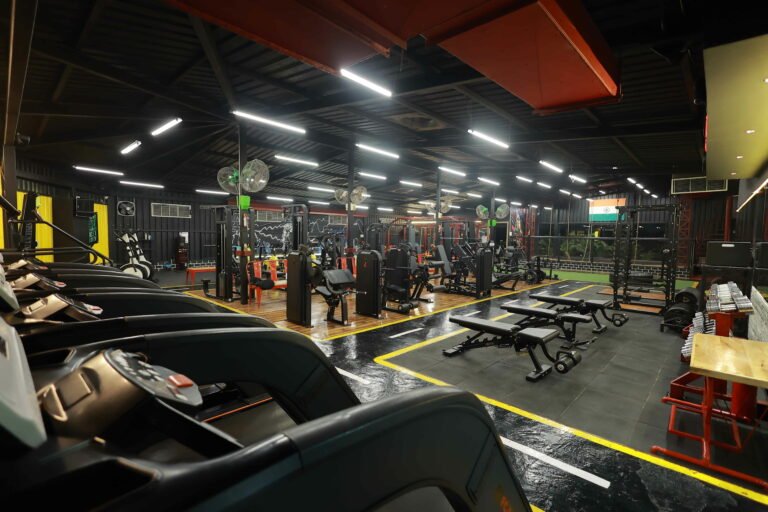
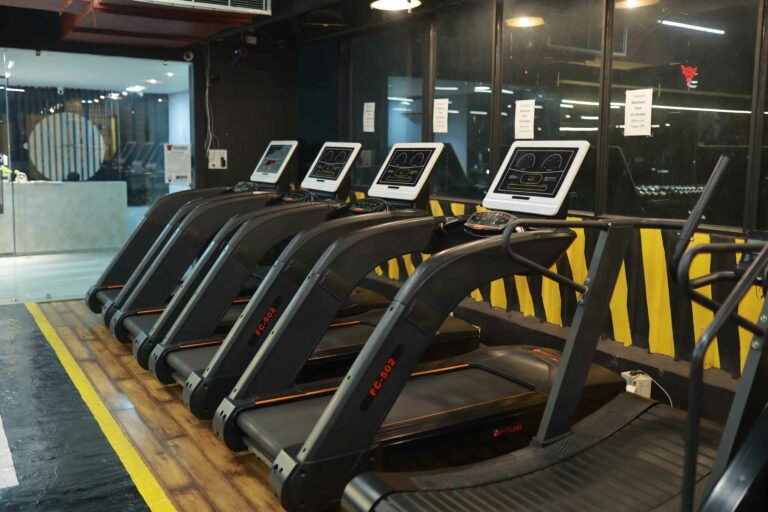
At Akhada – The Right Track Gym in Indore, you can work towards your fitness goals with strength training, cardio, functional workouts, HIIT, kickboxing, and personal training.
Whether you want to build muscle, improve stamina, increase strength, or support weight management, focus on a structured workout routine that suits your fitness level and lifestyle.
Visit us:
📍 Address: 3rd Floor, Press Complex, LIG Circle, AB Road, Near Dainik Bhaskar, Indore, Madhya Pradesh – 452011
📞 Phone: +91 9111100683
Start with better habits, train consistently, and give your body the support it needs to perform at its best.
Frequently Asked Questions
1. How can I improve gym performance naturally?
Follow a structured workout plan, eat balanced meals with sufficient protein and carbohydrates, stay hydrated, sleep well, and allow adequate recovery.
2. Which foods help improve gym performance?
Foods such as oats, bananas, rice, whole-wheat roti, eggs, dairy products, dal, beans, tofu, fruits, and vegetables can support energy, muscle repair, and overall nutrition.
3. Do I need supplements to improve gym performance?
Not necessarily. Many people can make progress through appropriate training, balanced nutrition, hydration, and sleep. Supplements may be useful in specific situations but are not a replacement for these fundamentals.
4. How many hours should I sleep for gym recovery?
Most adults should aim for around 7–9 hours of sleep each night, although individual needs can vary.
5. How long does it take to improve gym performance?
Some improvements in technique, coordination, and exercise tolerance may occur within a few weeks. The rate of progress depends on your experience, training program, nutrition, sleep, and consistency.
Final Thoughts
Improving gym performance naturally is not about finding a shortcut. It is about building habits that support better training and recovery.
Eat well, stay hydrated, sleep enough, follow a suitable workout plan, and track your progress. Small improvements repeated consistently can make a meaningful difference over time.
Train smart. Fuel your body. Recover well. Become stronger every day.