Deload Week: What Is It and Why Do You Need One?
Are you working hard at the gym but feeling unusually tired, struggling with your usual weights, or finding it difficult to recover between workouts? Sometimes, the answer isn’t to train harder. It may be time to give your body a planned break from intense training.
This is where a deload week can help.
A deload week is a planned period during which you temporarily reduce your training workload to help manage fatigue and prepare for your next phase of training. It doesn’t mean giving up on your fitness goals. Instead, it can be a useful part of a well-structured workout program.
Whether your goal is muscle gain, strength, weight management, or overall fitness, understanding deload weeks can help you train more sustainably.
What Is a Deload Week?
A deload week is a short period, often around five to seven days, when you reduce the intensity, volume, or overall difficulty of your usual workouts.
For example, if you normally perform four sets of an exercise, you might perform two sets during your deload week. Alternatively, you might use lighter weights, stop further away from muscular failure, or reduce the number of exercises in each session.
The goal is to reduce accumulated training fatigue while maintaining the habit of exercising.
Important: A deload is not the same as complete inactivity. You can continue training, but the sessions should feel easier than your normal workouts.
Why Do You Need a Deload Week?
Training challenges your body, and recovery allows it to adapt. However, consistently demanding workouts without enough recovery can lead to excessive fatigue and declining performance.
Here are some reasons a deload may be useful.
1. Manage Accumulated Fatigue
Hard training can create fatigue that builds up over time. Reducing your workload temporarily may help you feel fresher before returning to demanding sessions.
2. Support Strength Progress
If your performance has stalled and fatigue is contributing to the problem, a deload may help you return to training feeling more prepared.
It does not guarantee an immediate strength increase, but it can be useful within a well-planned training cycle.
3. Improve Workout Recovery
You may notice that your usual sessions leave you tired for longer than expected. A lighter training week can reduce the demands placed on your body and give you more room to recover.
4. Reduce Training Stress
A deload can provide a physical and mental break from demanding workouts. This may help you return to your routine with renewed focus.
5. Support Long-Term Consistency
Fitness is built over months and years, not through one intense week. Planned adjustments to training can help you manage workload and continue progressing over the long term.
Signs You May Need a Deload Week
You do not necessarily need a deload every few weeks. Whether one is useful depends on your training load, experience, recovery, and performance.
Consider reviewing your program if you notice several of these signs:
- Your usual weights feel unusually difficult.
- Your repetitions or training performance decline across multiple sessions.
- Muscle soreness lasts longer than usual.
- You feel persistently fatigued despite adequate rest.
- You are struggling to recover between workouts.
- Your motivation has dropped alongside physical fatigue.
- You have been training hard for an extended period without adjusting your workload.
One difficult workout does not automatically mean you need a deload. Poor sleep, stress, nutrition, illness, and other factors can also affect performance.
If fatigue is severe, persistent, or accompanied by pain or other concerning symptoms, don’t simply push through or assume a deload will solve it. Consider professional medical advice where appropriate.
How to Do a Deload Week Correctly
There is no single deload method that works for everyone. The aim is to reduce training demands enough to manage fatigue while keeping your routine manageable.
1. Reduce Your Training Volume
Training volume generally refers to the amount of work you perform, including sets and repetitions.
If you normally perform four working sets per exercise, you could reduce that to two sets for the deload week.
2. Use Lighter Weights
You can reduce the load on your exercises so that each set feels easier than usual.
Avoid testing personal records or attempting maximal lifts during this period.
3. Stay Away From Muscular Failure
Instead of pushing every set to the point where you cannot complete another repetition, finish your sets with several repetitions still possible.
This reduces the difficulty of the session and allows you to practise movements without creating as much fatigue.
4. Keep Your Technique Sharp
A deload is a good opportunity to focus on controlled movements, consistent range of motion, and proper exercise technique.
Avoid introducing unfamiliar, highly demanding exercises just because the week is lighter.
5. Prioritise Sleep and Nutrition
Continue eating balanced meals, consuming adequate protein, staying hydrated, and getting sufficient sleep.
A deload week is not a reason to stop supporting your recovery.
Example of a Deload Week Workout Plan
Here is a simple example for someone who normally follows a three-day full-body strength routine.
| Day | Deload Workout |
|---|---|
| Monday | Light squat or leg press, chest press, seated row |
| Tuesday | Walking and gentle mobility |
| Wednesday | Light hip-hinge variation, lat pulldown, shoulder press |
| Thursday | Rest or easy activity |
| Friday | Light full-body workout with reduced sets |
| Saturday | Walking or comfortable mobility work |
| Sunday | Rest and prepare for the next training week |
Use lighter resistance and fewer sets than you normally would. The sessions should feel manageable, not like another week of hard training.
Adjust the exercises to your experience, ability, and recovery needs. If you are new to exercise, you may not need a formal deload plan yet; consistent training with appropriate rest may be sufficient.
Deload Week vs Rest Week: What’s the Difference?
These terms are related, but they are not identical.
| Deload Week | Complete Rest From Training |
|---|---|
| Training continues at a reduced workload | Structured workouts are paused |
| Light resistance exercises may be included | Rest may include only normal daily activity |
| Helps manage accumulated training fatigue | May be appropriate when recovery or illness requires a break |
| Maintains the exercise routine | Temporarily steps away from training |
Neither option is automatically better. The right choice depends on why you need a break. If you are ill or injured, rest and appropriate medical guidance may be more important than continuing a modified workout.
How Often Should You Take a Deload Week?
There is no fixed schedule that everyone needs to follow.
Some experienced lifters plan a deload after several weeks of demanding training. Others adjust their workload when performance, fatigue, and recovery indicate a need.
You may be able to train for longer periods without a formal deload if your program is well managed and your recovery is good.
Instead of following a rigid rule, monitor your performance and how you feel. A coach can help you decide when to reduce training volume and how to return to normal training.
Common Deload Week Mistakes to Avoid
To get the most out of a deload, avoid these mistakes:
- Training just as hard as usual: The purpose is to reduce training demands.
- Testing maximum weights: Save personal-record attempts for an appropriate training phase.
- Stopping all movement unnecessarily: If you feel well, comfortable light activity may be fine.
- Ignoring persistent pain: Pain or injury may require a different approach from a routine deload.
- Undereating: Continue supporting your body with balanced nutrition.
- Returning too aggressively: Resume your normal workload gradually if you still feel fatigued.
Remember, a deload is a training tool, not a shortcut or a guaranteed solution to every performance problem.
How Akhada – The Right Track Gym Can Help You Train Smarter
Getting stronger isn’t just about lifting heavier weights. It also involves planning, technique, consistency, and recovery.
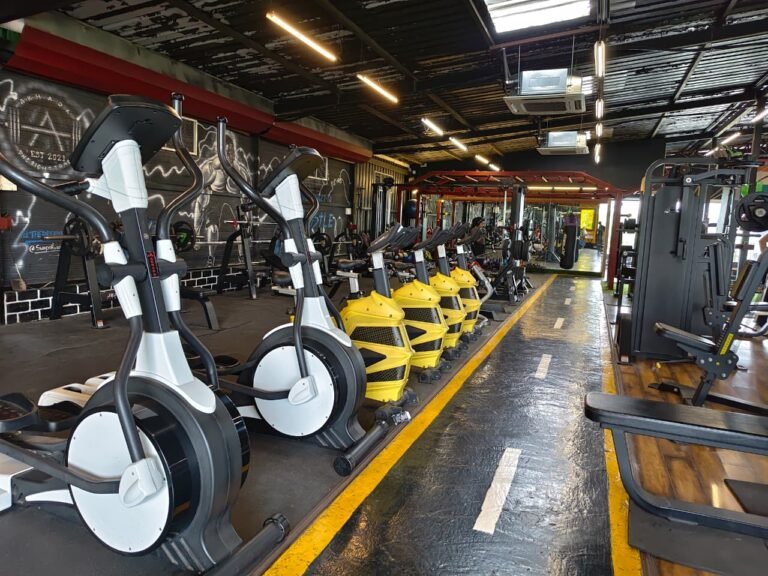
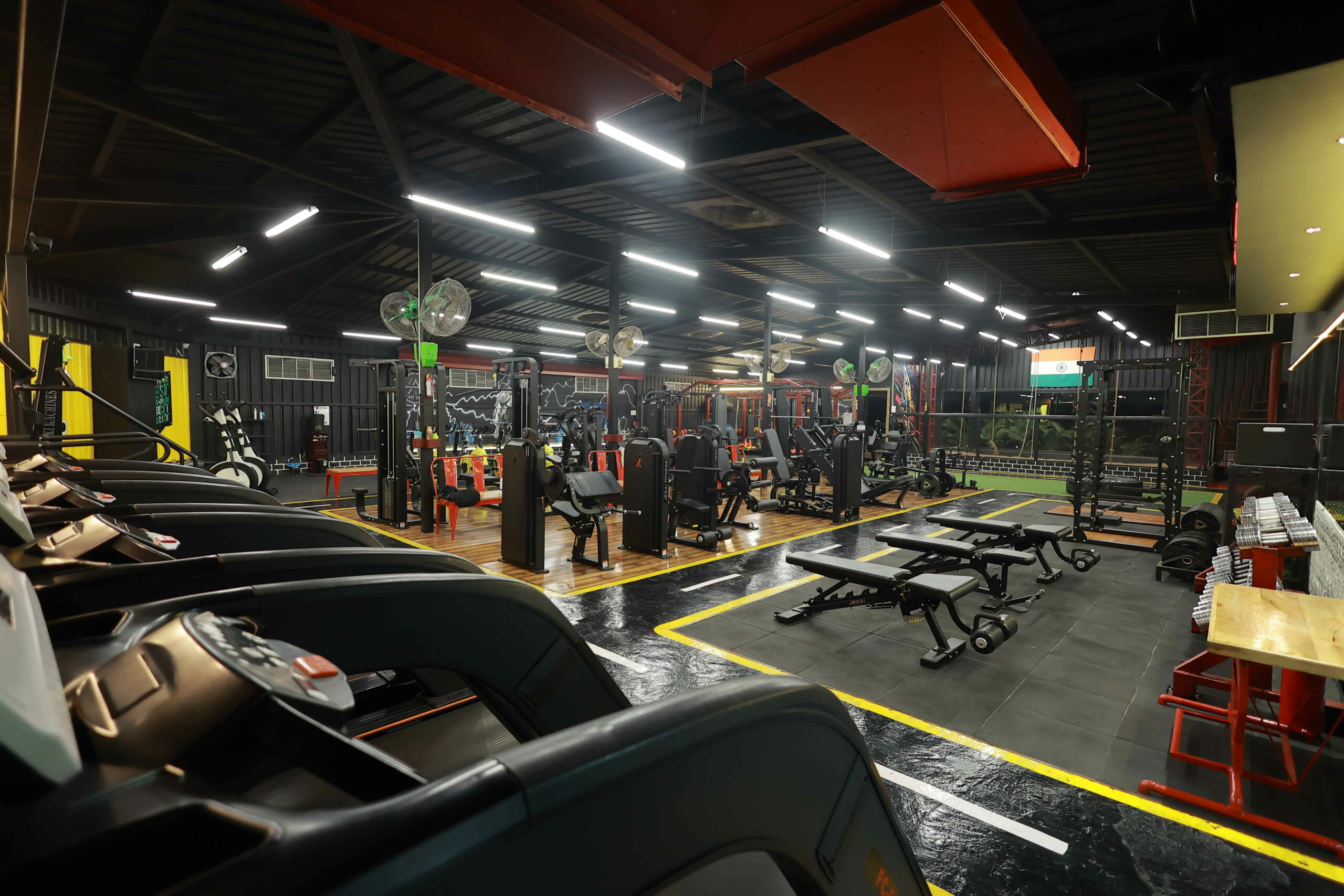
At Akhada – The Right Track Gym in Indore, you can work towards your fitness goals with strength training, functional workouts, cardio, HIIT, and personal training.
Whether you are building muscle, improving strength, or developing a sustainable workout routine, a well-planned program should balance training challenges with adequate recovery.
Address: 3rd Floor, Press Complex, LIG Circle, AB Road, Near Dainik Bhaskar, Indore, Madhya Pradesh – 452011
Phone: +91 9111100683
Train with purpose, recover well, and focus on long-term progress.
Frequently Asked Questions
1. Is a deload week necessary for muscle growth?
Not everyone needs a formal deload on a fixed schedule. However, it can be useful for managing accumulated fatigue during demanding training periods.
2. Will I lose muscle during a deload week?
A short period of reduced training is unlikely to cause meaningful muscle loss for most healthy, trained individuals. Maintaining normal nutrition and returning to appropriate training helps support your long-term progress.
3. Should I stop going to the gym during a deload?
Not necessarily. You can continue with lighter workouts, fewer sets, or easier exercise variations. If illness or injury is the reason for taking a break, follow appropriate professional guidance.
4. Can beginners take a deload week?
Yes, but beginners may not need planned deloads as frequently as people doing demanding, high-volume training. Focus first on learning technique, building consistency, and allowing adequate recovery.
5. Can a deload help break a strength plateau?
It may help if accumulated fatigue is contributing to the plateau. However, strength stalls can also result from programming, technique, nutrition, sleep, or other factors.
Final Thoughts
A deload week is about training smarter, not giving up. By temporarily reducing your workout demands, you may manage fatigue, improve readiness for future sessions, and support a more sustainable approach to fitness.
Listen to your body, track your progress, and remember that recovery is part of the training process.
Train hard when appropriate. Recover when needed. Stay consistent for the long term.