How to Increase Strength at the Gym: A Complete Guide for Better Results
Want to lift heavier weights, improve your performance, and become stronger at the gym? Building strength requires more than simply lifting heavy weights. You need the right training plan, proper technique, consistent effort, good nutrition, and adequate recovery.
Whether you are a beginner or an experienced gym member, learning how to increase strength at the gym can help you improve your performance and work towards your fitness goals.
In this guide, we’ll cover the most effective strength-training principles, common mistakes to avoid, and practical ways to build strength over time.
1. Focus on Compound Exercises
Compound exercises work multiple muscle groups and joints together. They are an effective foundation for a strength-training program.
Some useful compound exercises include:
- Squats: Train the legs and glutes.
- Deadlifts: Develop strength across the posterior chain.
- Bench Press: Targets the chest, shoulders, and triceps.
- Overhead Press: Develops shoulder and upper-body strength.
- Rows: Strengthen the back and supporting muscles.
- Lat Pulldowns: Train the back and help develop pulling strength.
Start with weights that allow you to maintain proper technique. Beginners can use machines or lighter variations while learning the movement patterns.
2. Apply Progressive Overload
Progressive overload means gradually increasing the challenge placed on your muscles as your strength improves.
You can do this by:
- Increasing the weight slightly.
- Performing additional repetitions with the same weight.
- Completing more quality sets when appropriate.
- Improving your technique and control.
- Progressing to a more challenging exercise variation.
For example, if you can perform three sets of eight repetitions with a particular weight using good technique, you might gradually work towards three sets of ten before increasing the load.
Avoid increasing weight simply to impress others. Progress should be controlled, appropriate, and sustainable.
3. Use the Right Reps and Sets for Strength
Strength training often involves relatively heavy loads and lower repetitions than typical muscle-endurance training. However, the ideal approach depends on your experience and the exercise being performed.
A general guide:
| Training Goal | Typical Repetition Range |
|---|---|
| Maximum strength development | 1–6 reps |
| General strength and muscle development | 6–12 reps |
| Muscular endurance | 12–20+ reps |
These ranges overlap, and muscle growth can occur across a broad range of repetitions. Beginners should first learn proper technique and build a solid training foundation before attempting very heavy lifts.
4. Rest Enough Between Sets
Rest periods affect how well you perform your next set.
For demanding compound exercises, resting around two to five minutes may help you recover sufficiently to maintain performance. For smaller accessory exercises, shorter rests of around one to three minutes may be adequate.
Do not rush every set just to finish your workout quickly. If your goal is strength, quality repetitions and sufficient recovery matter more than keeping your heart rate elevated throughout the entire session.
5. Follow a Structured Strength Workout Plan
A structured routine helps you train consistently and track improvements.
Here is an example of a simple three-day full-body strength routine:
| Day | Exercises |
|---|---|
| Monday | Squat or leg press, bench press, row, plank |
| Wednesday | Deadlift variation, overhead press, lat pulldown, core exercise |
| Friday | Squat variation, chest press, seated row, hip-hinge exercise |
Choose appropriate sets and repetitions based on your ability. Leave recovery time between demanding sessions and adjust the plan to your training experience.
You can also use an upper-lower split or another suitable program if it better matches your schedule and goals.
6. Eat Enough Protein and Calories
Your body needs adequate nutrition to support training, repair, and adaptation.
Prioritise protein
Protein-rich foods can support muscle repair and development. Useful options include:
- Eggs
- Milk, curd, and paneer
- Dal, beans, and chickpeas
- Soybeans and tofu
- Nuts and seeds
- Other suitable protein-rich foods
Include protein-containing foods throughout the day rather than relying on a single meal.
Get enough energy
If your calorie intake is consistently too low, it may be harder to recover and improve performance. Eat enough to support your training goals, and include carbohydrates to help fuel demanding workouts.
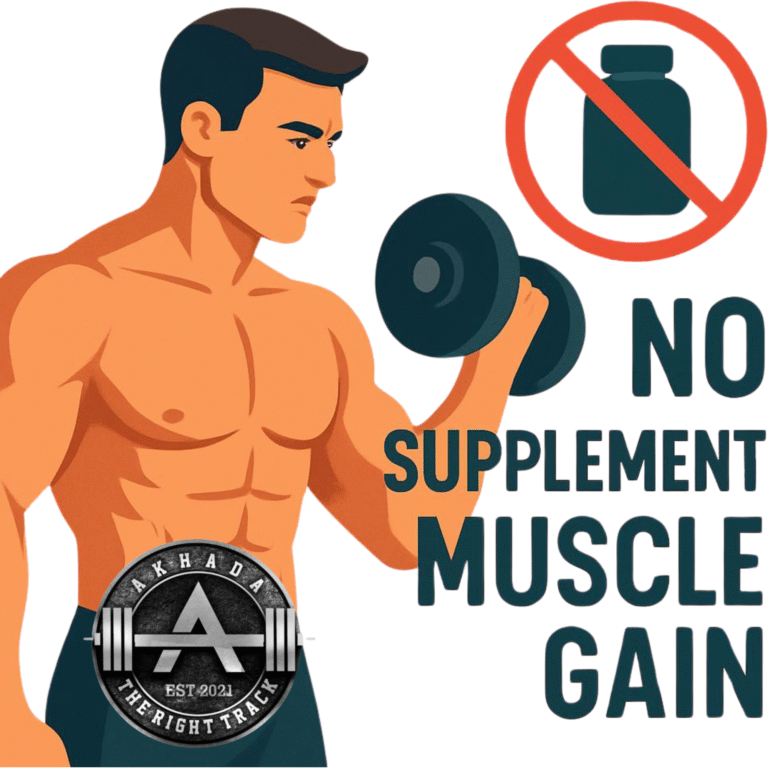
A balanced diet is usually a better starting point than relying on supplements.
7. Prioritise Sleep and Recovery
Strength improvements happen through a combination of training and recovery.
To support progress:
- Aim for around seven to nine hours of sleep per night if you are an adult.
- Allow trained muscles enough recovery between demanding sessions.
- Include rest days or lighter training when needed.
- Avoid repeatedly training through significant pain or exhaustion.
- Adjust your workload when performance and recovery consistently decline.
More training is not always better. The goal is to apply enough training stimulus while allowing your body to adapt.
8. Track Your Gym Progress
If you want to increase strength, record what you do during each workout.
Track:
- Exercise names
- Weight lifted
- Sets and repetitions
- Technique and range of motion
- Rest periods
- How challenging the session felt
Review your progress over several weeks rather than judging your results based on one workout.
Sometimes progress means lifting more weight. At other times, it means performing the same weight with better control or completing more repetitions with sound technique.
9. Warm Up Before Heavy Lifting
A proper warm-up prepares you for the movements ahead.
Start with a few minutes of easy movement, followed by exercise-specific warm-up sets using lighter weights. Gradually increase the load before your main working sets.
Avoid jumping straight into your heaviest weight, especially for technically demanding exercises.
If you are learning squats, deadlifts, or overhead presses, consider working with a qualified trainer to develop safe and effective technique.
10. Avoid These Common Strength-Training Mistakes
Many people struggle to increase strength because their training lacks consistency or structure.
Avoid these common mistakes:
- Increasing weights too quickly.
- Sacrificing technique to lift heavier loads.
- Changing exercises every week without a clear reason.
- Neglecting important movement patterns.
- Taking insufficient rest between demanding sets.
- Ignoring sleep and nutrition.
- Comparing your lifting numbers with experienced gym members.
- Training hard every day without adequate recovery.
Focus on steady, measurable progress rather than chasing quick results.
How Akhada – The Right Track Gym Can Help You Build Strength
Building strength is easier when you have a suitable workout plan, the right equipment, and guidance on exercise technique.
At Akhada – The Right Track Gym in Indore, you can work towards your fitness goals through strength training, functional workouts, cardio, and personal training.
Whether you are a beginner learning the basics or an experienced member looking to improve your lifting performance, a structured program can help you train with greater purpose and consistency.
Visit us:
📍 Address: 3rd Floor, Press Complex, LIG Circle, AB Road, Near Dainik Bhaskar, Indore, Madhya Pradesh – 452011
📞 Phone: +91 9111100683
Frequently Asked Questions
1. How long does it take to increase strength at the gym?
Beginners may notice improvements in lifting performance within the first few weeks as their technique and coordination improve. The pace of progress varies with training experience, consistency, nutrition, sleep, and individual factors.
2. Should I lift heavy weights to build strength?
Strength training generally involves challenging resistance, but heavy weights are not the only way to make progress. Use loads that suit your experience and allow you to maintain proper technique.
3. How many days a week should I train for strength?
Many beginners can start with two or three strength-training sessions per week. More experienced trainees may benefit from additional sessions if their program and recovery support them.
4. Is protein important for strength training?
Yes. Adequate protein supports muscle repair and development. A balanced diet with enough total energy is also important for training and recovery.
5. Can beginners do strength training?
Yes. Beginners can benefit from strength training when they start with appropriate exercises, manageable resistance, proper technique, and gradual progression.
Final Thoughts
Increasing strength at the gym is a gradual process built on smart training and consistency. Focus on compound exercises, apply progressive overload, eat well, sleep enough, and track your performance.
Do not focus only on how much weight you lift today. Focus on becoming a little stronger, more skilled, and more consistent over time.
Start with the basics, follow a structured plan, and give yourself time to progress.