Cardio for Weight Loss: The Complete Science-Backed Guide to Burning Fat Faster (2026)
Want to lose weight effectively? One of the most common questions people ask is: “Which cardio exercise is best for weight loss?”
Cardio is one of the most effective ways to burn calories, improve heart health, increase stamina, and support sustainable fat loss. However, not all cardio workouts produce the same results. The type of cardio you choose, the intensity, your nutrition, and your overall lifestyle all influence how quickly you achieve your goals.
Whether you’re a beginner starting your fitness journey or an experienced gym-goer looking to break through a plateau, this complete guide will help you understand everything you need to know about cardio for weight loss.
What is Cardio? ❤️
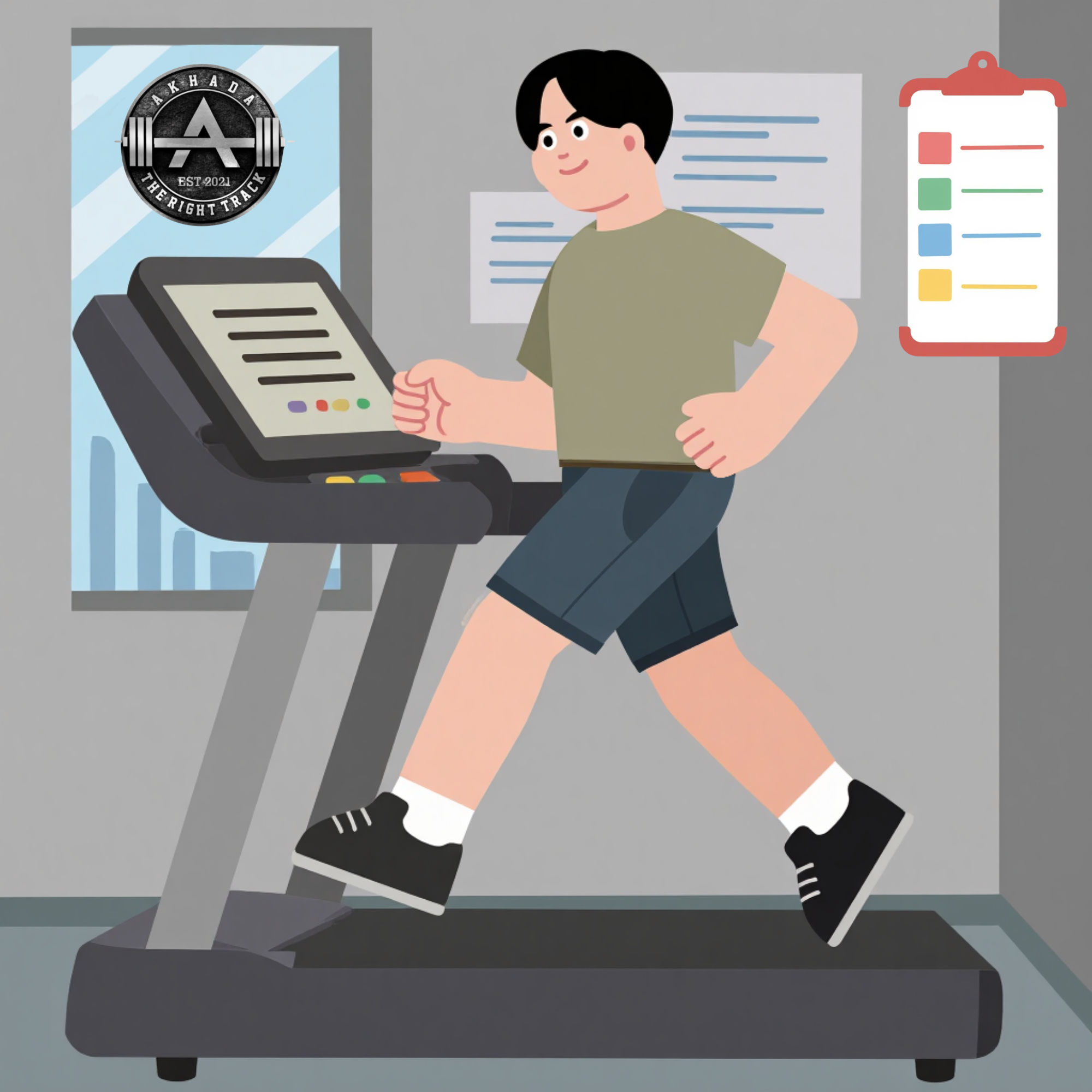
Cardio, also known as cardiovascular exercise or aerobic exercise, is any physical activity that raises your heart rate and keeps it elevated for a sustained period. During cardio, your heart and lungs work harder to deliver oxygen to your muscles, helping you burn calories and improve endurance.
Examples of cardio exercises include:
🏃 Walking
🏃♂️ Running
🚴 Cycling
🏊 Swimming
🤸 Jump Rope
🚶 Incline Walking
🚣 Rowing
💃 Zumba
🥊 Boxing Workouts
🔥 HIIT (High-Intensity Interval Training)
Does Cardio Really Help with Weight Loss?
Yes—but cardio works best when combined with:
✅ A balanced, calorie-controlled diet
✅ Strength training
✅ Adequate sleep
✅ Daily movement
Cardio increases calorie expenditure, making it easier to maintain the calorie deficit generally required for weight loss. Strength training helps preserve muscle while you lose fat, which supports long-term body composition.
Benefits of Cardio for Weight Loss 💪
Regular cardio offers many health and fitness benefits:
🔥 Burns Calories Efficiently
❤️ Supports Heart Health
⚡ Improves Energy Levels
🩸 May Help Improve Blood Circulation
😊 Reduces Stress
😴 Can Improve Sleep Quality
💪 Increases Endurance
🧠 Enhances Mental Well-being
The goal isn’t simply to burn calories during a workout—it’s to build habits you can sustain over time.
Best Cardio Exercises for Weight Loss
1. Walking 🚶
Walking is one of the most accessible forms of exercise.
Best For:
- Beginners
- Seniors
- People with joint discomfort
- Daily activity
Benefits:
✔ Low impact
✔ Easy to maintain
✔ Supports fat loss when done consistently
2. Incline Walking ⛰️
Walking on an incline increases intensity without the impact of running.
Benefits:
🔥 Higher calorie burn
💪 Greater glute and leg engagement
❤️ Improved cardiovascular fitness
3. Running 🏃
Running burns calories quickly and improves cardiovascular endurance.
Ideal for:
- Intermediate
- Advanced exercisers
4. Cycling 🚴
Cycling is a joint-friendly option that helps improve lower-body strength and endurance.
Benefits:
✔ Low-impact
✔ Good calorie expenditure
✔ Suitable for many fitness levels
5. Swimming 🏊
Swimming is a full-body workout.
Benefits:
✔ Low impact on joints
✔ Engages multiple muscle groups
✔ Improves cardiovascular fitness
6. Jump Rope 🤸
Jump rope is a high-intensity cardio workout that also improves coordination.
Benefits:
🔥 Time-efficient
💪 Improves agility
❤️ Builds endurance
7. HIIT (High-Intensity Interval Training) ⚡
HIIT alternates short bursts of high effort with recovery periods.
Potential benefits include:
✔ Efficient workouts
✔ Improved fitness
✔ Higher intensity in less time
HIIT may not be suitable for everyone, especially beginners or those with certain medical conditions. Start gradually or seek professional guidance.
8. Rowing 🚣
Rowing combines cardio with resistance, making it an effective full-body workout.
Benefits:
💪 Engages upper and lower body
❤️ Improves endurance
🔥 Supports calorie expenditure
Cardio vs Strength Training for Weight Loss
Many people think cardio alone is enough.
In reality, combining cardio with strength training is often the most balanced approach.
Cardio Helps:
❤️ Burn calories
❤️ Improve stamina
❤️ Support heart health
Strength Training Helps:
💪 Maintain or build muscle
💪 Increase strength
💪 Improve body composition
A combination of both is generally recommended for overall fitness.
How Much Cardio Should You Do?
The ideal amount depends on your:
- Fitness level
- Goals
- Recovery
- Schedule
Many adults benefit from regular moderate or vigorous physical activity spread throughout the week, along with muscle-strengthening exercises. Adjust your plan based on your health status and consult a professional if needed.
Common Cardio Mistakes ❌
Avoid these common errors:
❌ Doing only cardio
❌ Ignoring nutrition
❌ Skipping recovery
❌ Performing the same workout every day
❌ Expecting overnight results
❌ Poor workout intensity
Nutrition Matters More Than You Think 🥗
Cardio alone cannot compensate for consistently poor eating habits.
Support your workouts with:
🥦 Vegetables
🍎 Fruits
🌾 Whole grains
🥛 Dairy or alternatives
🥜 Healthy fats
🥣 Protein-rich foods
Hydration is equally important, especially during longer or more intense sessions.
Cardio for Beginners
If you’re just starting:
Week 1–2
🚶 Walk 20–30 minutes
Week 3–4
🚴 Add cycling or incline walking
Week 5+
🏃 Introduce intervals or beginner-friendly HIIT if appropriate
Increase intensity gradually to reduce the risk of injury.
Why Choose Akhada Gym for Cardio Training in Indore? 🏆
At Akhada Gym, we help members build sustainable fitness habits through structured training and professional guidance.
We Offer:
✅ Personalized Cardio Programs
✅ Weight Loss Training
✅ Strength & Conditioning
✅ Functional Training
✅ Certified Trainers
✅ Modern Cardio Equipment
✅ Beginner-Friendly Environment
✅ Customized Workout Plans
Whether your goal is to lose weight, improve endurance, or boost overall fitness, our trainers create workout plans that match your experience level and objectives.
Frequently Asked Questions (FAQs)
Which cardio burns the most calories?
The answer depends on workout intensity, duration, body weight, and fitness level. Activities such as running, HIIT, rowing, and jump rope can be high-calorie-burning options when performed safely and consistently.
Is walking enough for weight loss?
Yes. Walking can support weight loss when combined with healthy eating and consistency.
Should I do cardio every day?
Many people can perform some form of cardio most days of the week, but recovery is also important. The right frequency depends on your fitness level and goals.
Is fasted cardio better?
Research shows mixed results. Overall daily calorie balance, nutrition quality, and consistency generally matter more than whether cardio is done fasted.
What should I eat after cardio?
A balanced meal containing protein, carbohydrates, and fluids can support recovery.
Final Thoughts
Cardio is one of the most effective tools for improving health and supporting weight loss—but it works best as part of a complete fitness plan.
Rather than chasing quick fixes, combine cardio with strength training, nutritious eating, proper recovery, and consistency. Over time, these habits can lead to lasting results.
Whether you prefer walking, running, cycling, swimming, or HIIT, choose activities you enjoy and can maintain. The best cardio workout is the one you can perform consistently.
If you’re looking for expert guidance, Akhada Gym offers personalized cardio programs, fitness coaching, and customized workout plans to help you reach your goals safely and effectively.